

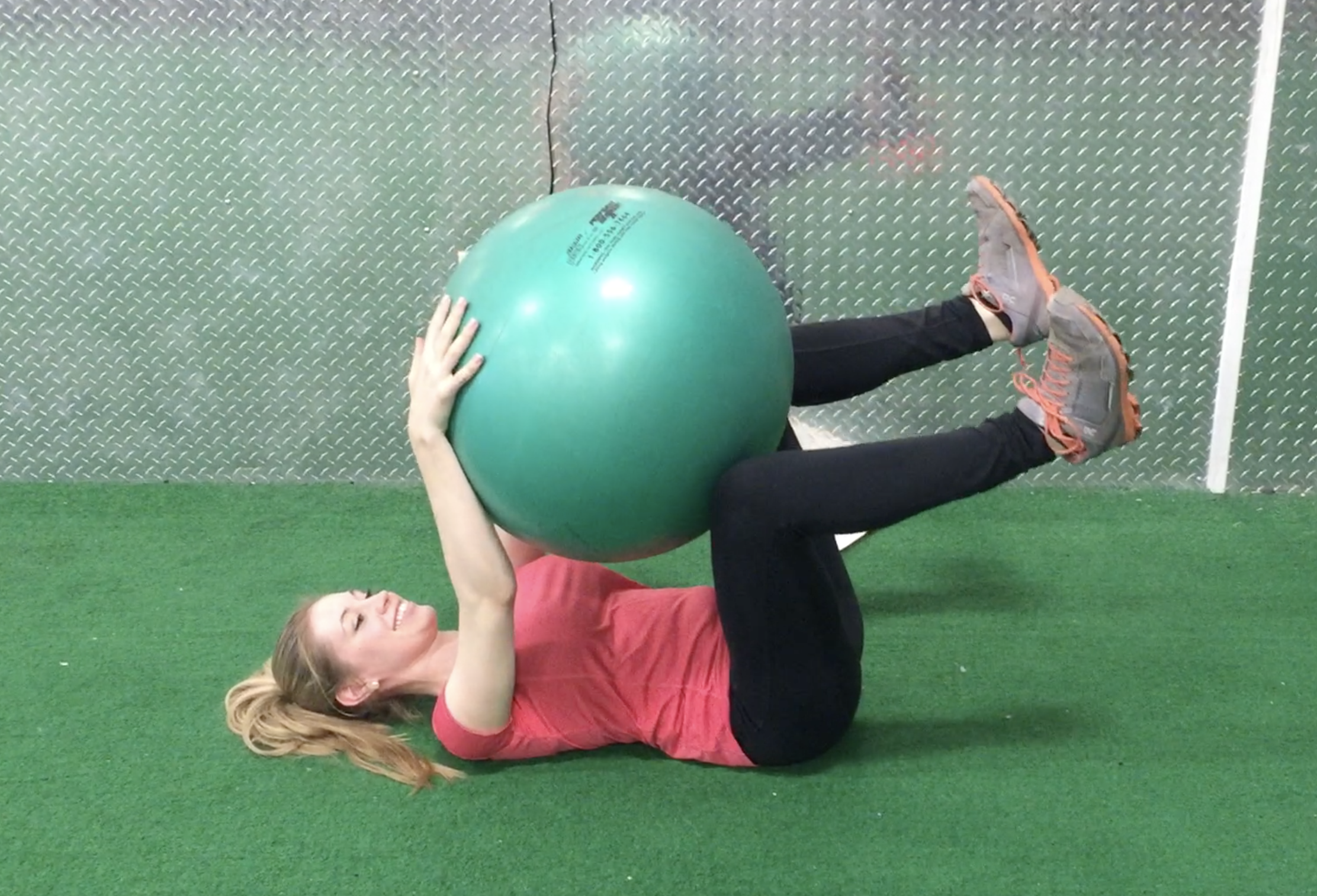
This is a core exercise I’ve used for years to help reinforce proper centering/alignment of the rib cage over the pelvis, and breathing through a braced core. The goal here is to rotate as a unit, so the knees, hips, and shoulders all move together. Another way to think of it is that the nose, […]
Blogs
Training Speed for Youth Athletes
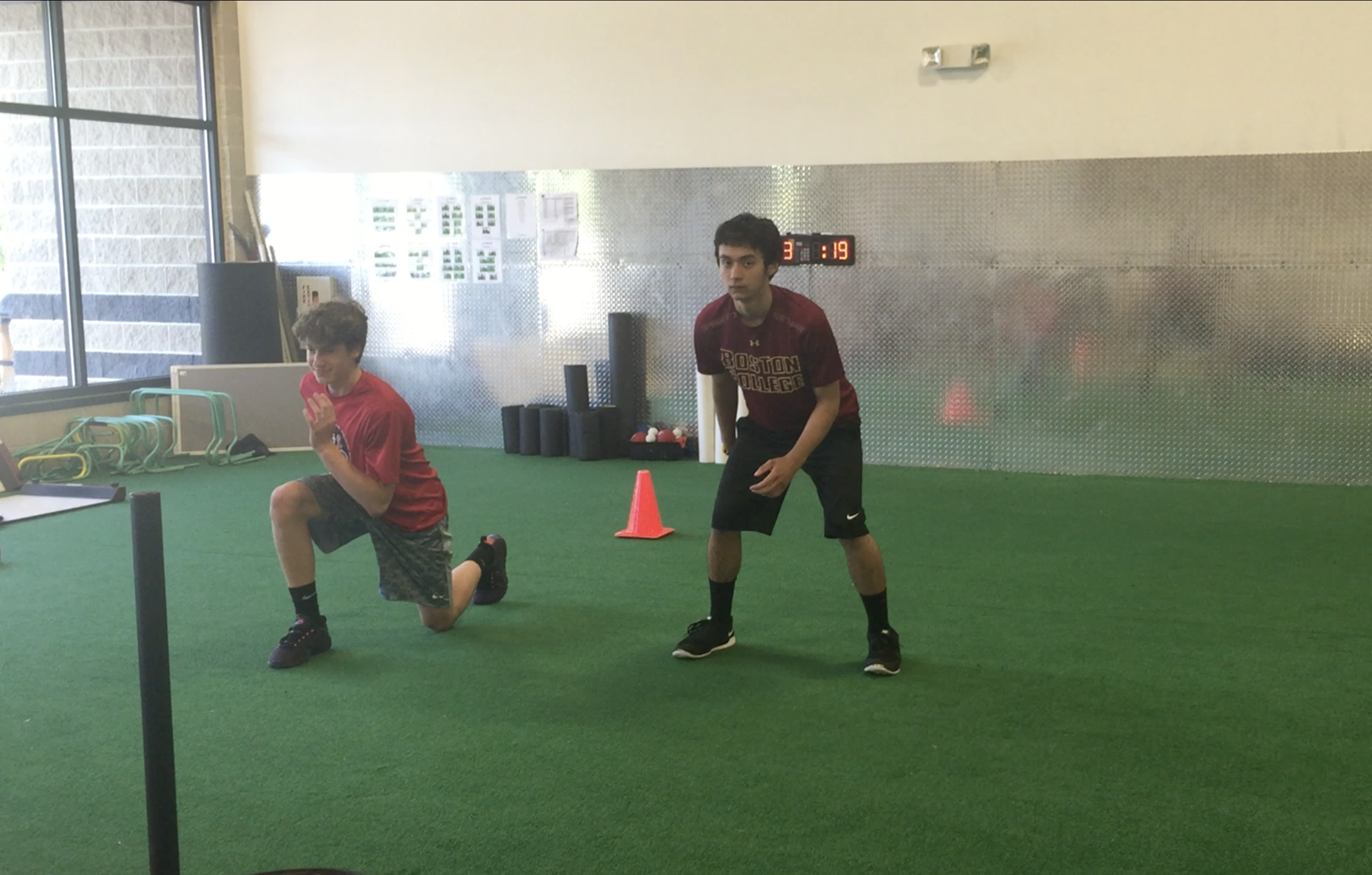
Varying starting positions and incorporating partner chases are great ways to both teach/challenge different movement strategies and keep training engaging/fun for kids. General rule: Pick 2 patterns to reinforce for the day and put the slower start position in the back. Switch positions after each rep, and read the room to see if the kids […]
POSTED BY KEVIN NEELD Apr 4, 2022
The Impact of Youth Training
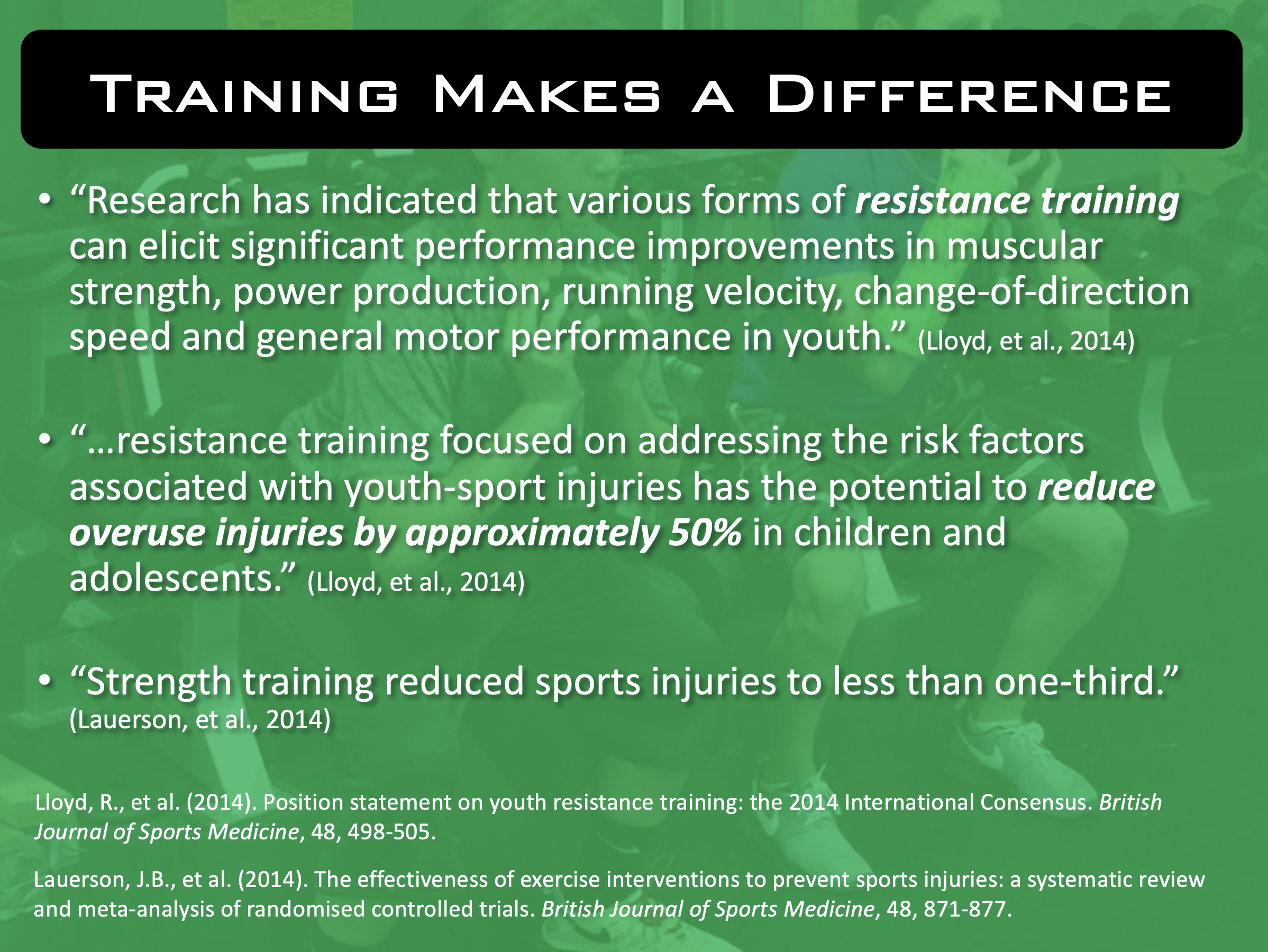
Properly designed training programs should increase performance AND decrease injury risk in athletes. A couple more quotes from research papers looking into this topic. Feel free to post any comments/questions below. If you found this helpful, please share/re-post it so others can benefit. To your success, Kevin NeeldSpeedTrainingforHockey.comHockeyTransformation.comOptimizingAdaptation.com P.S. Interested in age-specific year-round hockey training […]
POSTED BY KEVIN NEELD Mar 26, 2022
Early Sport Specialization
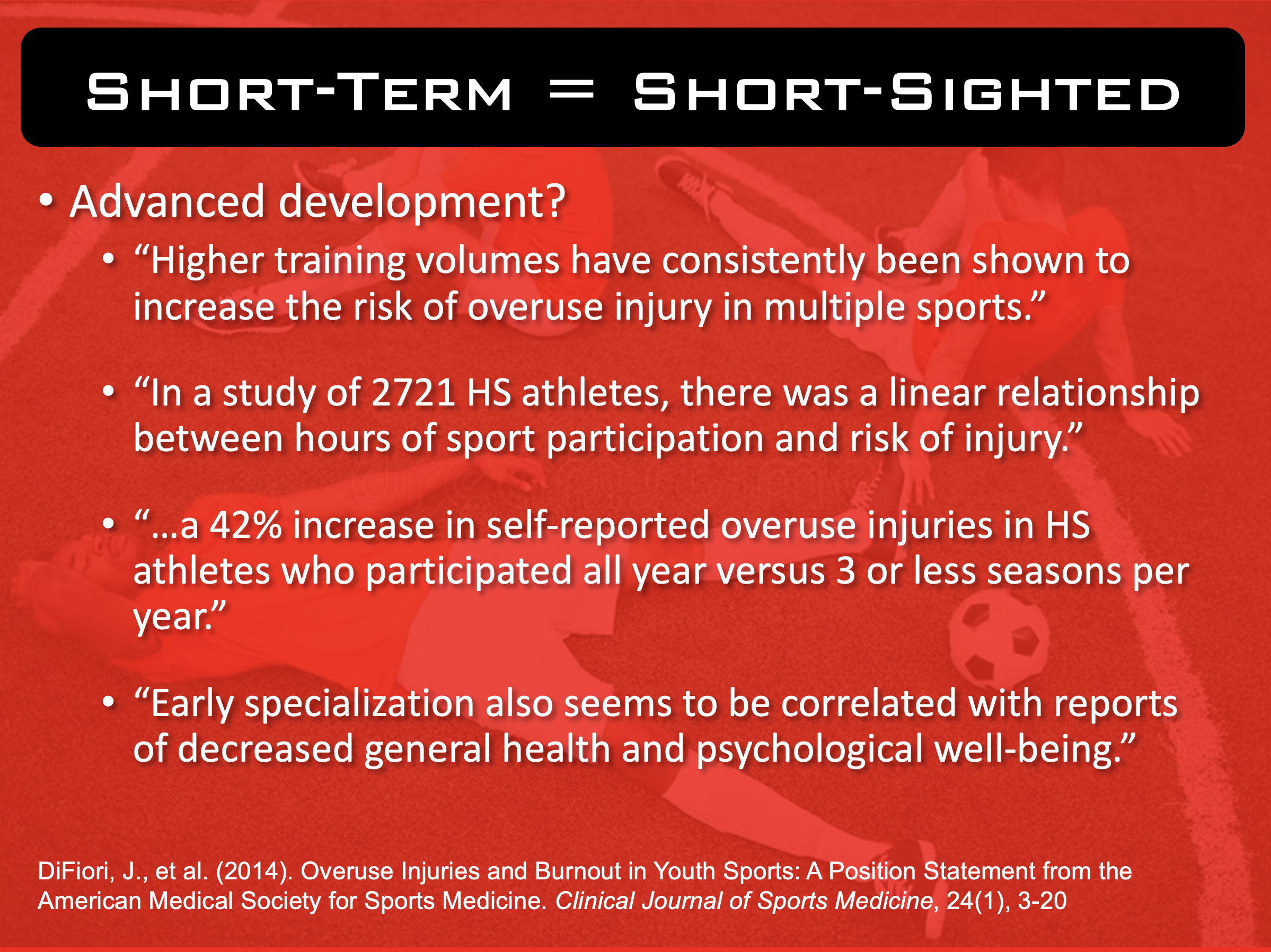
Early specialization and year-round participation in a single sport are both strategies implemented to help speed up an athlete’s development. The reality is this “short-term” athletic development comes at a cost – significantly increased risk of injury, burnout, and quitting. The first step in finding a solution is agreeing we have a problem. Feel free […]
POSTED BY KEVIN NEELD Mar 25, 2022
Youth Training Goals
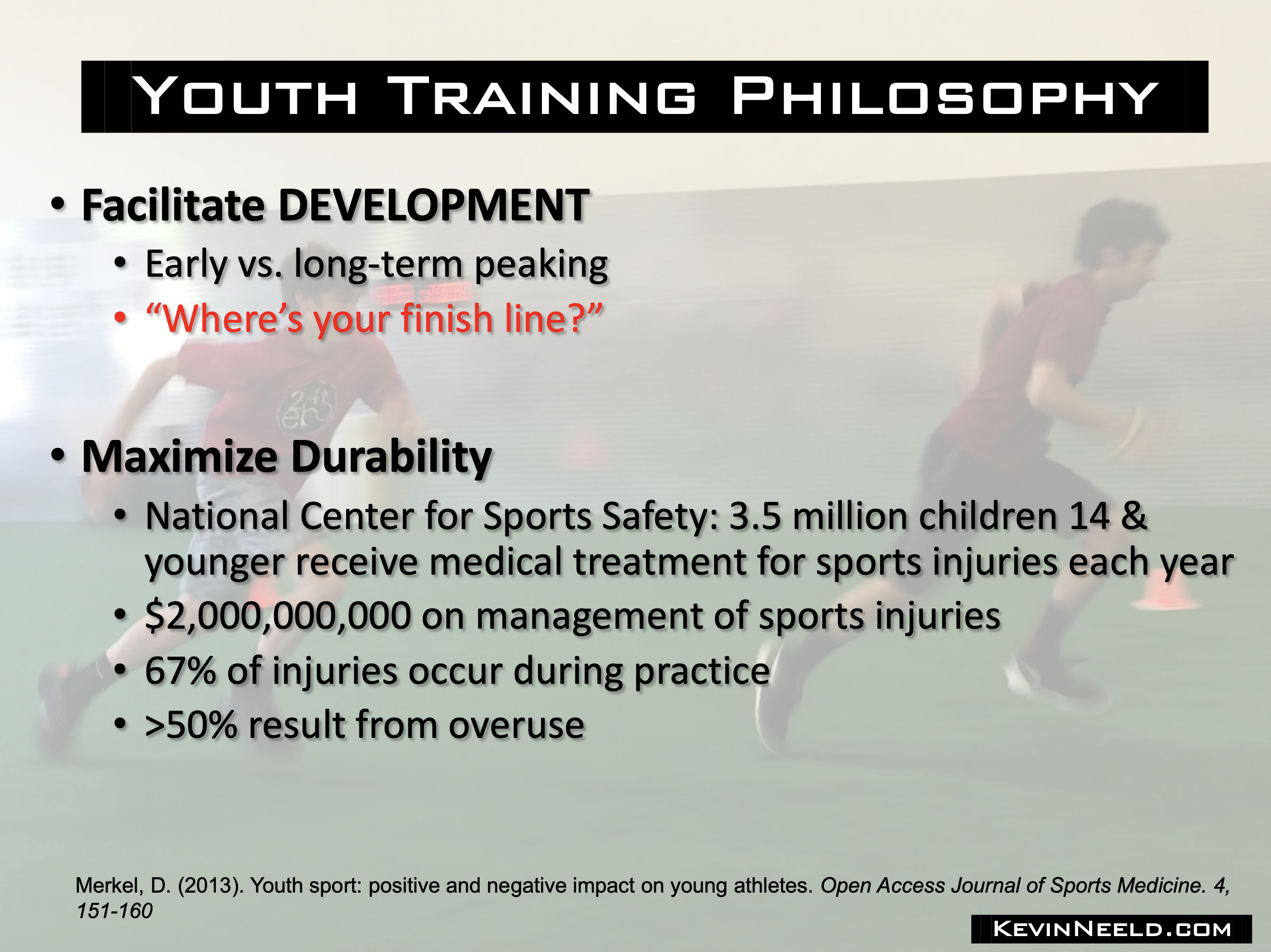
The youth training process should serve two primary purposes: 1) Facilitate long-term development – Start with basic training strategies that lead to consistent, incremental progress. Save advanced training methods for when the athlete has several years of training experience AND the basics stop working. 2) Maximize durability – Break the cycle of constant sport participation, […]
POSTED BY KEVIN NEELD Mar 24, 2022
Long-Term Athletic Development
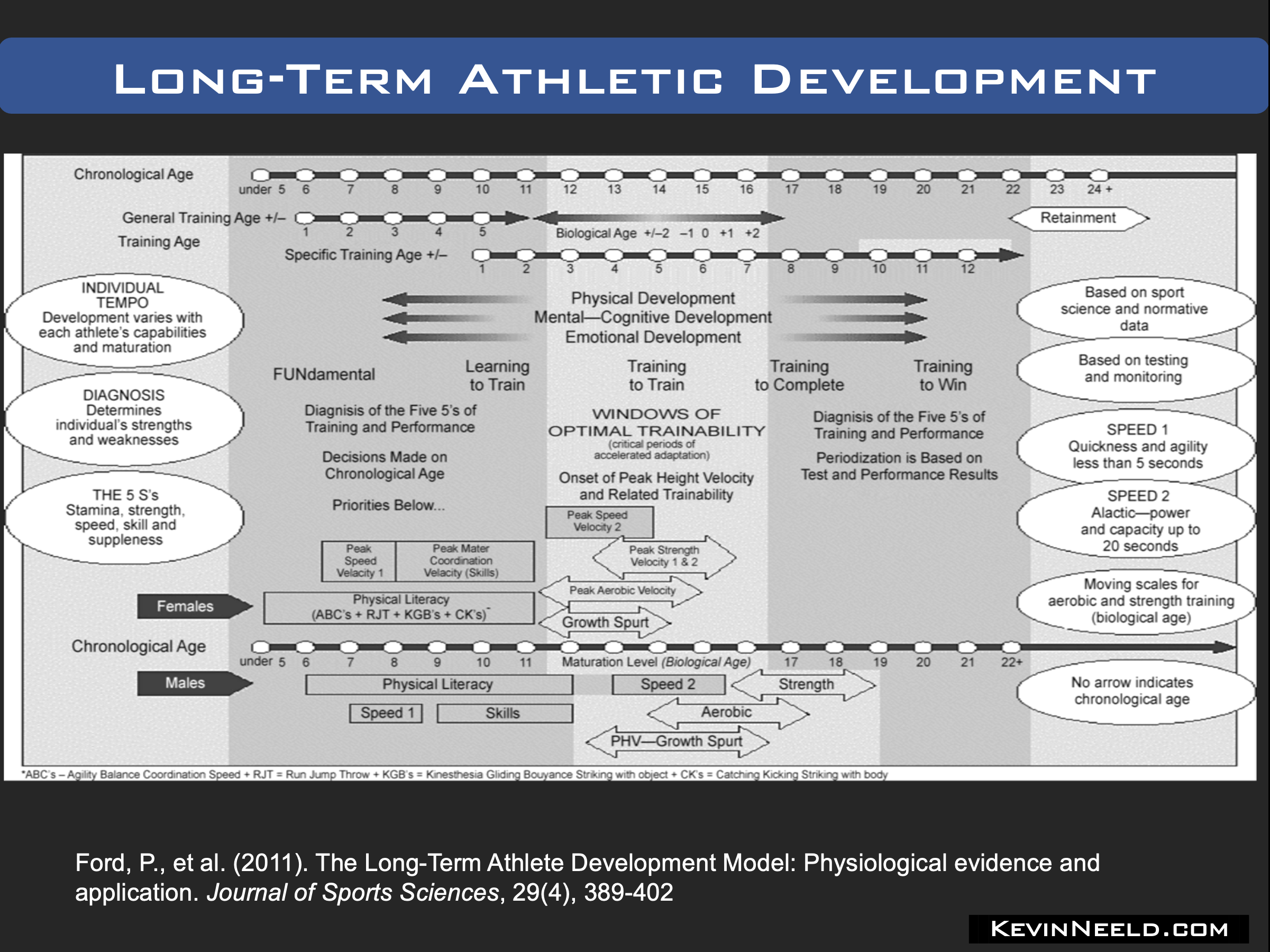
Long-term athletic development models describe themes of training (i.e.,emphasis on fun vs. winning), and phases of accelerated development of specific physical qualities based on stages of development. This model by Ford et al. (2011), is the most comprehensive I’ve come across, and is particularly valuable because it shows that the stages will be variable dependent […]
POSTED BY KEVIN NEELD Mar 23, 2022
Why Kids Quit Sports…
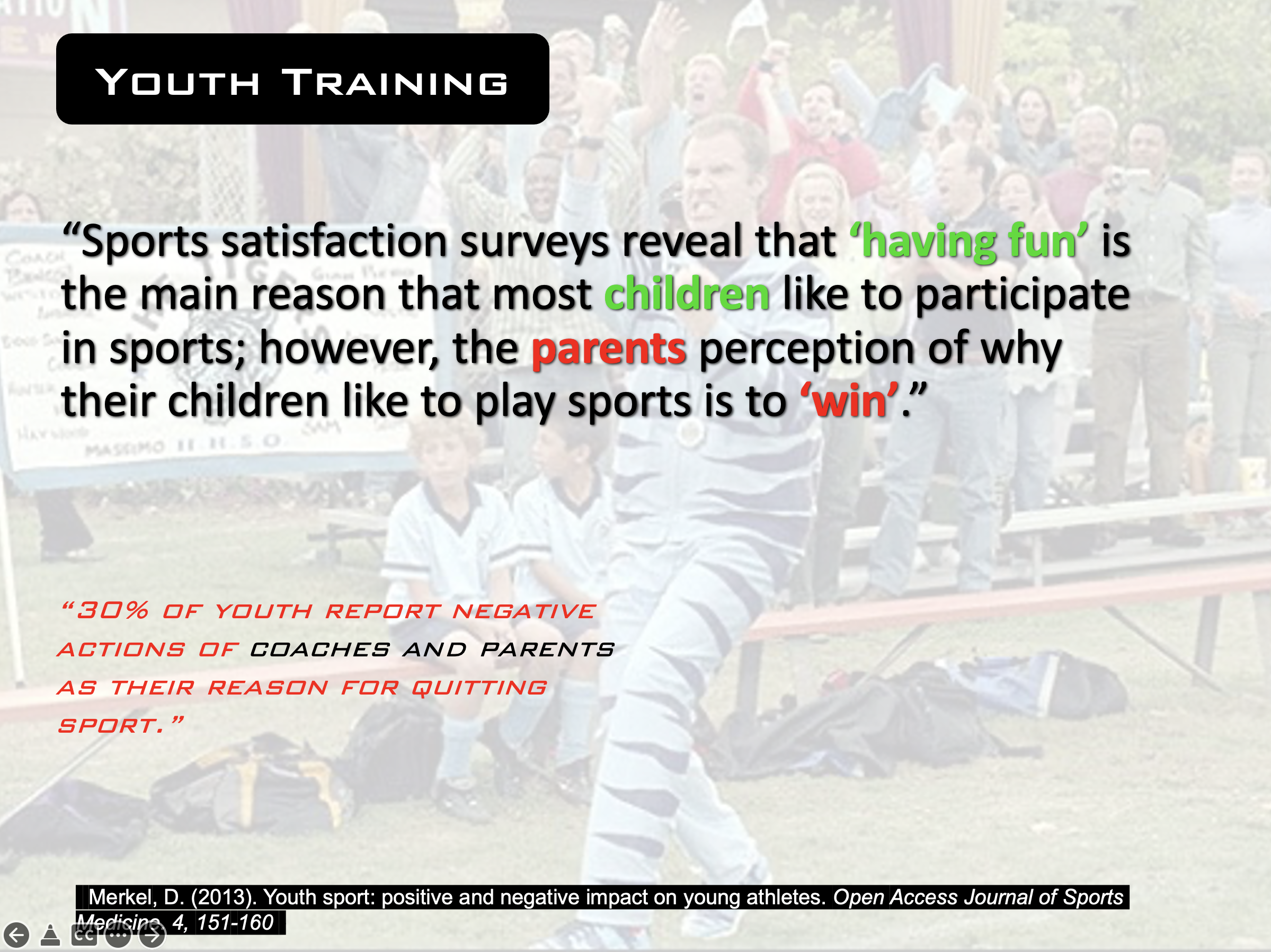
A lot of attention has been paid to long-term athletic development and strategies to develop elite performers. The inarguable truth is… it takes time, and a lot of work. Unfortunately, this fact has led to aggressive training and athlete development strategies being pushed on athletes at younger and younger ages, which is counter-productive. A 2013 […]
POSTED BY KEVIN NEELD Mar 18, 2022
Individualizing Training in Group Settings
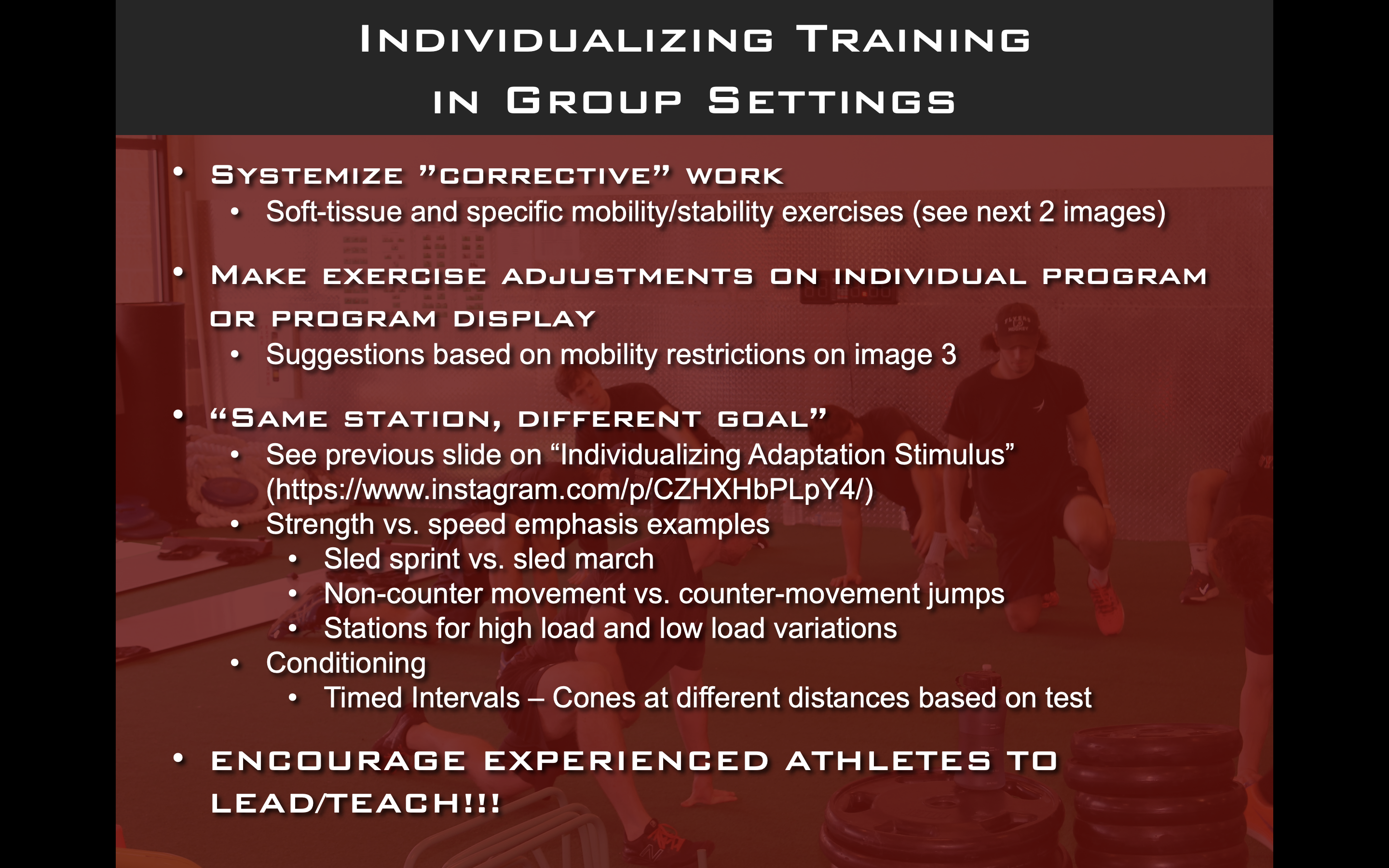
There are a lot of different approaches to individualizing training in group settings. First, it’s important to recognize that attempts to improve the program shouldn’t get in the way of being able to run it. There are very real logistical and cultural barriers to running what you may envision as the most “optimal” program. The […]
POSTED BY KEVIN NEELD Mar 17, 2022
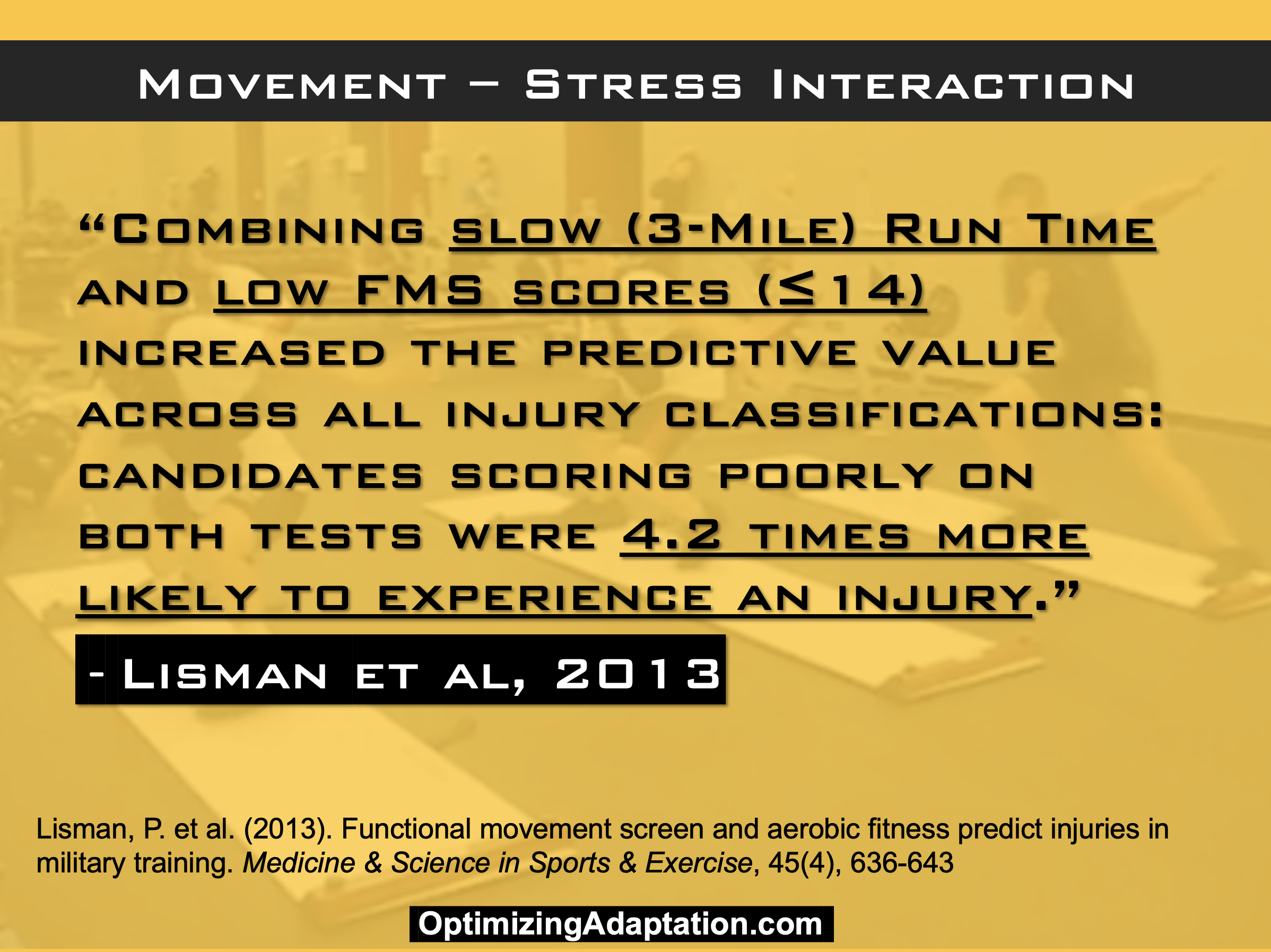
Movement, Stress, and Injury Risk
Building on yesterday’s post on the impact of the interaction between conditioning and movement efficiency on performance… Movement quality and conditioning also impact injury risk. This 2013 study found that military personnel with slow 3-mile times (i.e. poor aerobic fitness) and poor movement quality (defined as FMS Score ≤ 14) were 4.2x more likely to […]
POSTED BY KEVIN NEELD Mar 10, 2022
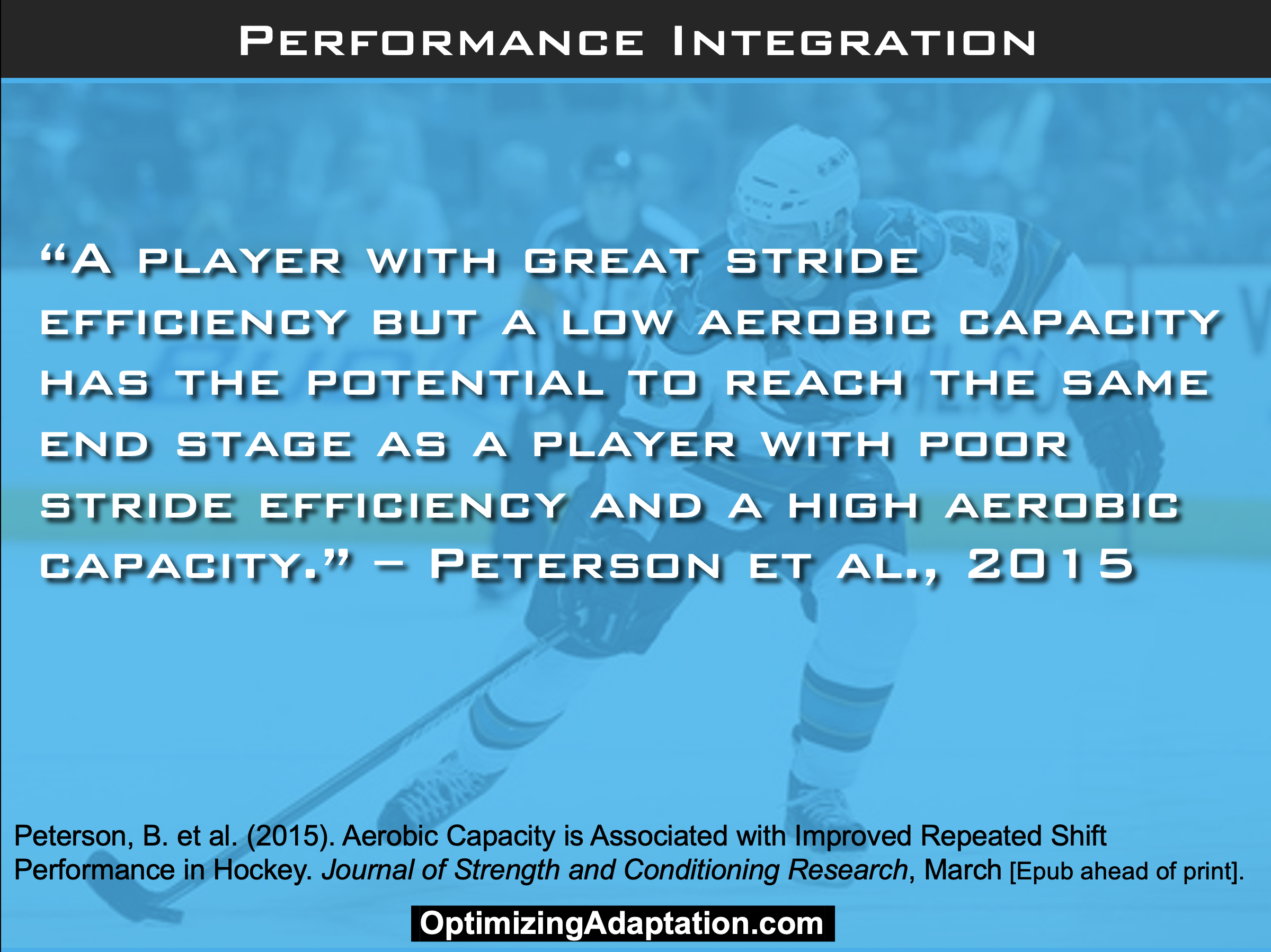
Movement Efficiency
Great quote from Ben Peterson et al. Efficient movement can maximize performance for a given athlete’s conditioning level. The opposite is also true. Inefficient movement can also impair an athlete’s ability to display their high level of conditioning. Movement efficiency and conditioning go hand and hand. If a player is struggling late in shifts or […]
POSTED BY KEVIN NEELD Mar 9, 2022
 Use CODE: "Neeld15" to save 15%