Today’s Thursday Throwback is an article I originally wrote in 2011 that discusses the importance of training AROUND an injury and exactly how to go about it. If you have any questions, please feel free to post them in the comments section below!

Training Around an Injury

A few years back I wrote an article for T-Nation called Fight the Injury Blues: Keep Lifting. I think one of the biggest mistakes athletes make is that they completely shut down, physically and mentally, after suffering an injury that necessitates a limitation in their training/practice/competition. Some injuries may in fact require complete rest, but these are by far the minority and most of these only require complete rest for a week or two. The article outlines a few examples of what injured athletes can STILL do from a training standpoint, and the neurological benefits that are parlayed to the injured limb when the opposite limb is trained. The research in this area is interesting. If you haven’t read the article yet, take a minute to do so after you finish reading this post.

I recently got a question from a Canadian university player in the Atlantic University Sport league that read:

“Yesterday I read one of your old t-nation articles about training while injured and it touched a bit on unilateral training and the bilateral transfer involved (10% to 77% i believe it said). I was wondering if that kind of training would create imbalances in strength and muscle size. I’m going in for hand surgery soon and want to continue training my left arm/hand if its beneficial. What type of set/rep range would u hover at to reduce the risk of imbalance?”

This is a great question. As you can see, there is a pretty big discrepancy between the upper and lower limits of strength transfer from one side to the other. To take a step back, what the 10%-77% numbers are implying is that if you only train ONE side of your body (e.g. only 1-Arm DB Chest Press or 1-Leg Squat on the left side), 10-77% of the strength gained on that side will also be gained by the right side. In other words, the right side does nothing, but gets 10-77% stronger.

This “transferred” strength improvements results from the wiring of the nervous system. In an effort to oversimplify the complexities of the nervous system, the body adapts to things it does repeatedly. When the nervous system is forced to send signals for strong contractions to one side, it “learns” how to do so for the other side as well. The 10-77% range is a large one, but the strength transfer will be greater if you use compound exercises (multi-joint movements), slow down the eccentric phase of the lift, and maximize concentric acceleration.

To address the question at hand: Yes, training one side will cause imbalances in strength and size. While muscle imbalances (a somewhat vague term) are one of the major predictors of injury (second to previous injury), there are some important qualifiers in this situation.

1) Consider the Alternative

The alternative to training the “good” side only is to avoid training those segments of the body altogether. Physically, this will cause an equally undesired atrophy of the musculature AND neural drive to the musculature. In this scenario, the athlete needs to restore the lost muscle mass and neural efficiency bilaterally, which will not only set them back quite a bit in their training, but may also require focused dietary changes to sufficiently increase the caloric and protein intake to allow for training-drive hypertrophy.

Mentally, most athletes are extremely competitive and active, and don’t respond well to being told to completely shut it down for extended periods of time. Again, depending on the injury, rest may be an advisable solution, but in most cases, it will do more harm than good.

2) Injuries Inherently Cause Imbalances

There is no avoiding imbalances following an injury. Whether it’s thumb surgery or a shattered femur, the neuromuscular system is going to adapt to minimize stress to the impaired area. That is why rehabilitation is so important; the goal is to restore symmetry across the injured area and between the injured and uninjured side. Training the uninjured side will minimize strength losses bilaterally, so that there is less ground to make up upon getting cleared for training. This also highlights the importance of ramping up training/sports participation over a period of time instead of just jumping right back in. The body requires time and focused effort to restore symmetry. Just because an athlete is no longer injured does not mean he’s ready to return to play; they’re just at a different stage on the Injury-Optimal Performance continuum.

With regards to what set/rep ranges to utilize, the important thing to remember is that the transferred adaptations are neurally-driven strength improvements. Therefore, in order to maximize transfer, you’ll want to stay in neurally-driven strength improvement set and rep ranges (in general, 3-6 sets of 3-8 repetitions). If higher rep ranges are utilized then there will be more of a hypertrophic effect on the working musculature that will not be experienced by the injured side.

The other thing to consider, in this case, is that you can do anything that takes your hand out of the movement. Remember, it’s not an upper body injury, it’s just your hand. There are ways to train around that, such as doing:


Arm Strap Pulldowns
 

Slideboard Flys
And you can do these in whatever rep ranges you feel are most advantageous for your situation because they aren’t unilateral movements. You won’t have to worry about the degree of transfer from one side to the other.

Hope this helps. The big take home from this is that injuries shouldn’t cripple the athlete. Find ways to train around the injured area so the athlete can continue to make progress, or, at the very least, minimize performance losses associated with the healing and rehabilitation phases.

To your success,

Kevin Neeld
HockeyTransformation.com
OptimizingMovement.com
UltimateHockeyTraining.com

Please enter your first name and email below to sign up for my FREE Athletic Development and Hockey Training Newsletter!

Get Ultimate Hockey Transformation Now!

Year-round age-specific hockey training programs complete with a comprehensive instructional video database!

Ultimate Hockey Transformation Pro Package-small

Get access to your game-changing program now >> Ultimate Hockey Transformation

“Kevin Neeld is one of the top 5-6 strength and conditioning coaches in the ice hockey world.”
– Mike Boyle, Head S&C Coach, US Women’s Olympic Team

“…if you want to be the best, Kevin is the one you have to train with”
– Brijesh Patel, Head S&C Coach, Quinnipiac University
This past weekend I was up in Boston for the MIT Sloan Sports Analytics Conference with Devan McConnell (Head Sports Performance Coach, UMass Lowell Hockey). The conference had a few great takeaways that I’ll get to in a future post, but with youth, junior, and college seasons starting to transition into playoffs, and having just spent 4 days with Devan, I thought this would be an opportune time to share a guest article Devan wrote on how he’s training his players at this time.

Check out the article and post any thoughts/comments you have in the section below!

Late-Season Hockey Training by Devan McConnell

This time of year, playoff hockey is just around the corner. All the hard work during the off season and the first half of the year is hopefully coming to fruition. At this point in time, the overall goal is to be as fresh as possible going into the playoffs. Naturally, this means eliminating the weight room and off ice training from the schedule, right?

Wrong.

Off ice training at this late point in the season is just as crucial, if not more so, than any other time of year. The sad truth is that it only takes about 10 days away from training to begin to lose power and explosiveness. All that hard work throughout the year, and just a few days away from the weight room and you will start to slow down.

Training right up until the championship game should remain a priority if you want to play up to your potential when it matters most.

This doesn’t mean that endless hours need to be dedicated to off ice training or that exhausting routines that leave you with nothing left to give are a good idea at this point in the season. In fact, short and fast should be the rule of thumb. The point of late season training is to maintain or peak speed and power, not to continue to develop weight room strength. Training sessions should be 20minutes or less, and most if not all main exercises should be performed at loads around 60% of your 1 rep maximum, as explosively as possible.

Pre-practice warm-up with Speed & Power work
This brief, focused, and explosive training session performed 1-2 times per week (at least 2 days away from the next game) will allow you to keep your speed and power that you have worked so hard all year to develop, without adding fatigue at this crucial point in the season.

An example of this training session would look like this:

A1) Hang Clean 3×3@65%
A2) Ball Rollout 2×6
A3) Glute Stretch 2x:20

B1) Rear Foot Elevated Split Squat 3×3@60%
B2) DB Row 2×5@65%
B3) Standing Anti Rotation Press 2×6

C1) Bench Press 2×3@60%
C2) KettleBell Single Leg Deadlift 2×5@65%
C3) Suitcase Carry 2x10yards

Showing an RFE Split Squat and RFE Split Squat Jump Complex, another power development method Devan uses earlier in season
To your success,

Kevin Neeld
HockeyTransformation.com
OptimizingMovement.com
UltimateHockeyTraining.com

Please enter your first name and email below to sign up for my FREE Athletic Development and Hockey Training Newsletter!

Get Ultimate Hockey Transformation Now!

Year-round age-specific hockey training programs complete with a comprehensive instructional video database!

Ultimate Hockey Transformation Pro Package-small

Get access to your game-changing program now >> Ultimate Hockey Transformation

“Kevin Neeld is one of the top 5-6 strength and conditioning coaches in the ice hockey world.”
– Mike Boyle, Head S&C Coach, US Women’s Olympic Team

“…if you want to be the best, Kevin is the one you have to train with”
– Brijesh Patel, Head S&C Coach, Quinnipiac University

Today’s Thursday Throwback highlights a structural abnormality that affects the overwhelming majority of the hockey population specifically and much of the elite athletic population in general.

While the tone of this post (and the linked article) is specific to one structural abnormality, the foundational theme is not. The real message here is that every athlete is built differently, both from their genetic make-up and how they’ve adapted to stressors over the course of their lifetime.

As a result, it’s incredibly important that coaches appreciate these individual variations and don’t attempt to coach every athlete into a somewhat arbitrary movement “norm”. Often times athletes are patterning movement around the range of motion that they have and can control. If an athlete doesn’t have the motion to perform an athletic movement correctly, it’s wise to dig deeper to see if it’s a structural or functional limitation. If functional, use whatever tools you have to improve it. If structural, coach around it. Either way, the goal is to optimize movement.

Check out the post, and post any thoughts/comments you have in the section below!

Hockey Hip Injuries: Femoracetabular Impingement

Femeroacetabular impingement (FAI) is an anatomical abnormality that anyone that trains hockey players needs to be aware of. In the most simple sense, FAI affects hip flexion ROM, especially past 90 degrees. This will necessarily lead to restrictions in many common lifting and jumping movements and will affect a player’s skating stride.

Mike Reinold recently posted a terrific article from Trevor Winnegge that I think you should read.

Check it out here >> Femoroacetabular Impingement: Etiology, Diagnosis, and Treatment of FAI

I don’t think strength coaches need to go through a screen for every possible injury that a player may incur, but I do think it’s important to be able to recognize signs of injuries or anatomical abnormalities when the player is warming up and training off the ice.

This article did a great job of outlining information related to the diagnosis and treatment of these injuries, but I think the real insight comes from the discussion section. I don’t always spend time reading through the discussion in most articles, but this was well worth the time. When you read it, you’ll see comments from people like Mike Reinold, Eric Cressey, and Jeff Oliver (really bright guys).

Pay special attention to comments regarding how FAI will affect movement so that you can be on the watch for this. Here’s a glimpse at some of my additions:

Round 1
We see a good number of these cases as well since the majority of our athletes are hockey players. As Eric mentioned, most have terrible soft-tissue quality around the hip.

The Slipped Capital Femoral Epiphysis mechanism probably holds extra weight amongst hockey goalies, who grow up dropping to their knees in an almost uncontrolled free fall at ages when they surely don’t have the muscular development to control the motion.

Given the magnitude of these surgeries, we try to focus on conservative approaches. Using single-leg work gives the hips more degrees of freedom, but keeping the athlete above their hip flexion end-range also helps ensure that we’re not getting compensatory lumbar movement.

Round 2 (In response to Jeff Oliver’s comments)
Great point about not being “knee benders”. Because of my history working with hockey players on the ice, it seems that most coaches want their players to skate with the “ideal” stride. I think FAI is one illustration of why some players may opt for a different pattern.

Lumbar compensation, in some plane, is almost inevitable when people reach their hip flexion ROM, especially in bilateral lower body exercises. The only difference between FAI athletes and “normal” athletes is that FAI athletes will hit that hip flexion end range sooner, in at least one hip. If it’s a unilateral problem, you’ll likely see one hip drop below the other during squatting. That’s why I like single-leg work so much for these athletes-it gives the spine options as to which plane to move (namely that lateral flexion becomes more available) and lessens the compression load. This way, if an athlete fails to stop at THEIR end range (which they need to be educated on), they’re in a less damaging environment.

The Slipped Capital Femoral Epiphysis involves some, typically blunt, force that causes a shift in the growth plate at the femoral head/neck junction, which negates the head/neck offset (at least this is the theory). I’ve heard this attributed to things that kids naturally do like jumping out of trees, falling while playing on the playground, or repetitively free falling to your knees while learning how to play goalie! Now, with no femoral head/neck offset, when the femoral head recentrates in the acetabulum, hip flexion will be limited and it’s likely that the repetitive attempts to push hip flexion past the newly found limits will cause some accumulated trauma locally, which (in my opinion) could lead to additional bone growth and therefore an additional exacerbation of the problem. I know that’s long-winded; I hope it all makes sense. Feel free to email me if you have other questions.

Again, I highly recommend you read the whole article. Knowledge is power, and given that FAI is leading to surgery in a lot of cases, the more you know about to the more you can prevent FAI leading to excessive labral damage and future osteoarthritis (as is often the case when FAI goes unchecked).

Check it out here >> Femoroacetabular Impingement: Etiology, Diagnosis, and Treatment of FAI

To your success,

Kevin Neeld
HockeyTransformation.com
OptimizingMovement.com
UltimateHockeyTraining.com

Please enter your first name and email below to sign up for my FREE Athletic Development and Hockey Training Newsletter!

Get Ultimate Hockey Transformation Now!

Year-round age-specific hockey training programs complete with a comprehensive instructional video database!

Ultimate Hockey Transformation Pro Package-small

Get access to your game-changing program now >> Ultimate Hockey Transformation

“Kevin Neeld is one of the top 5-6 strength and conditioning coaches in the ice hockey world.”
– Mike Boyle, Head S&C Coach, US Women’s Olympic Team

“…if you want to be the best, Kevin is the one you have to train with”
– Brijesh Patel, Head S&C Coach, Quinnipiac University
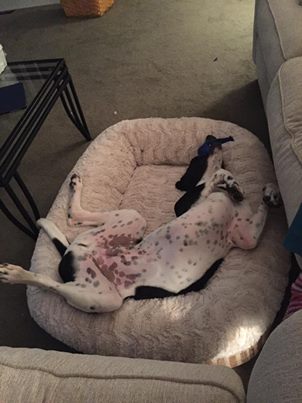
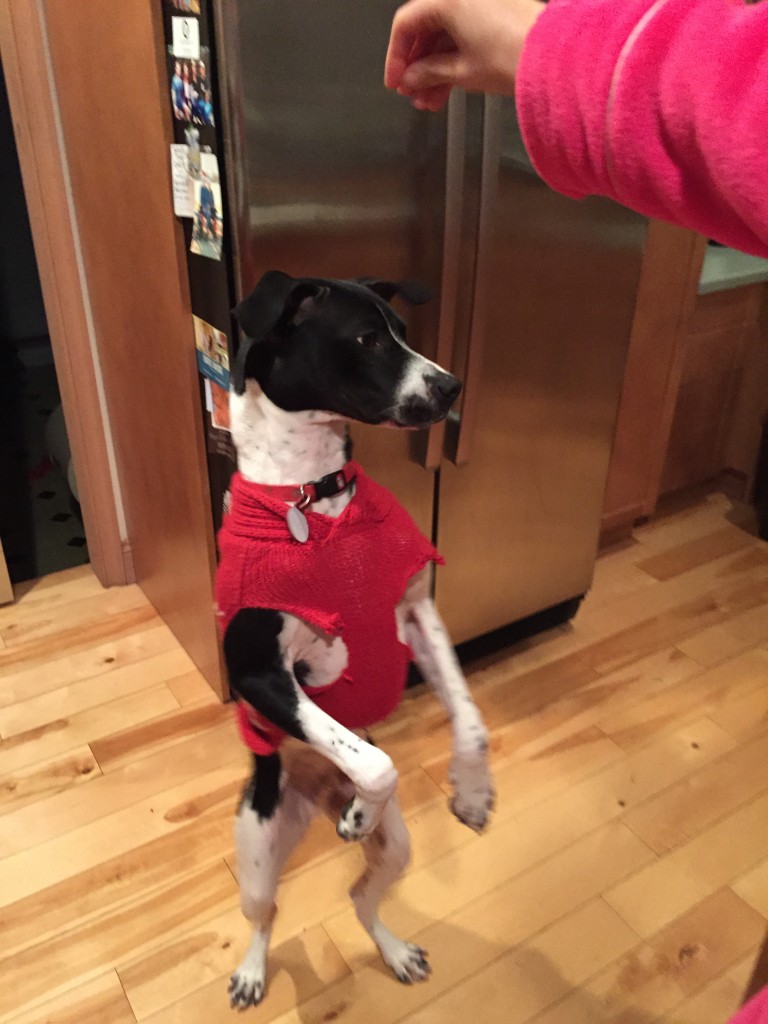
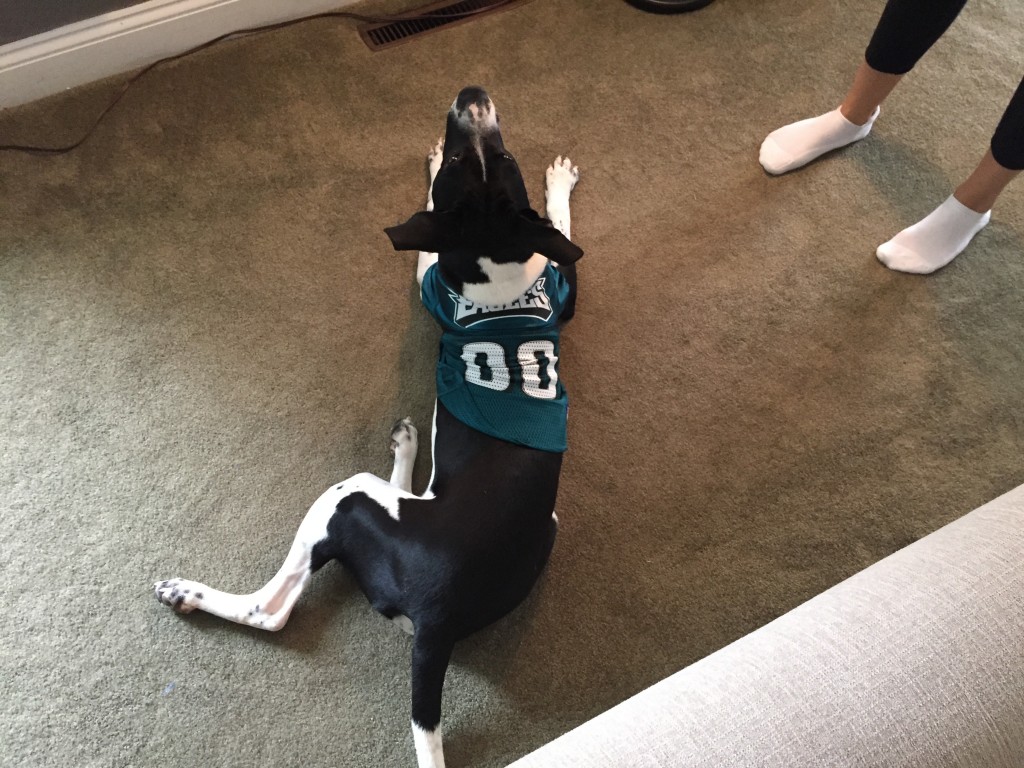
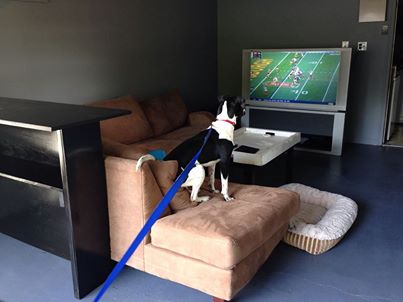
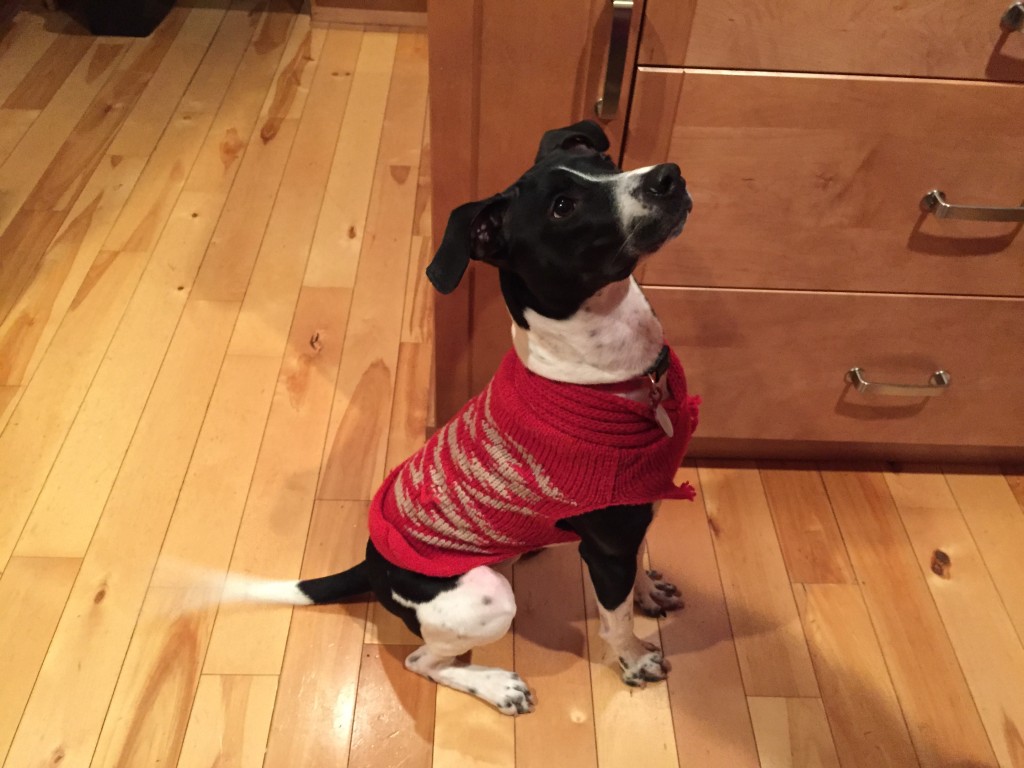
2014 was a memorable year for a lot of reasons. Emily and I got engaged, bought a house, I got a new (used) car, and then we expanded our family to include a new dog, Ruxin. In quick succession, we learned that he…

IMG_2266

despite being from Jacksonville, is an Eagles Fan

Ruxin in the Man Cave

like me, prefers watching games in the Man Cave

IMG_2292

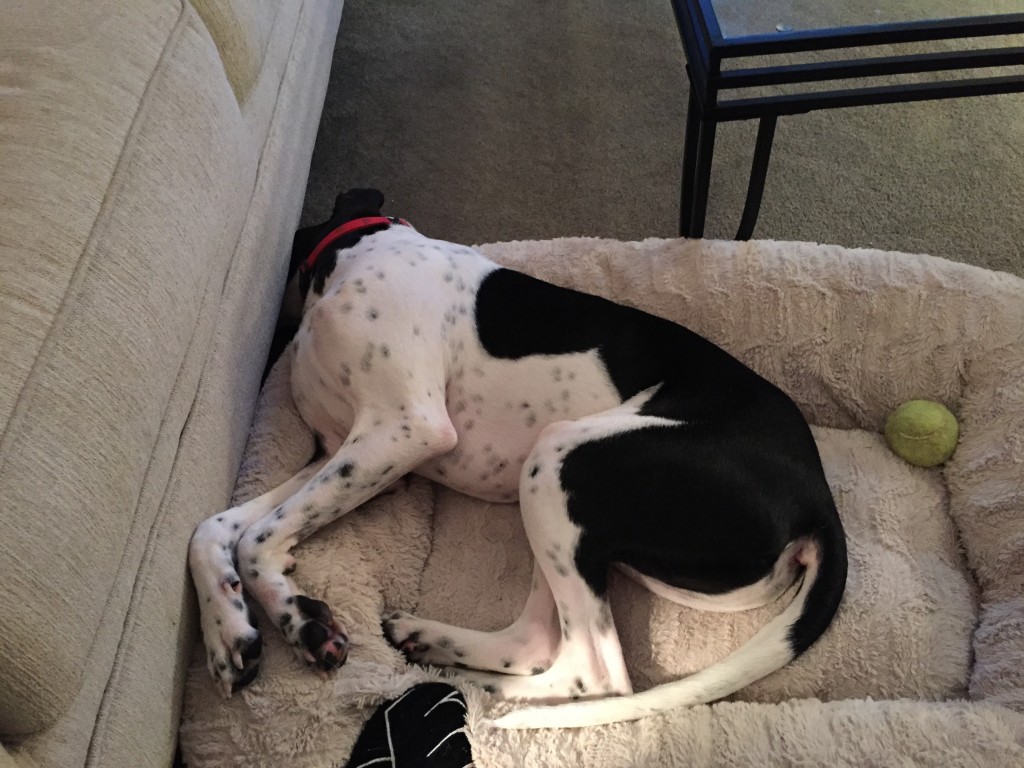
is a little protective over his things

Ruxin Sleeping

is…not shy

IMG_2456

likes sitting by the camp fire

IMG_2587

is festive

IMG_2589

and no stranger to the weight room

IMG_2251

may or may not be familiar with the Heisman

IMG_2568

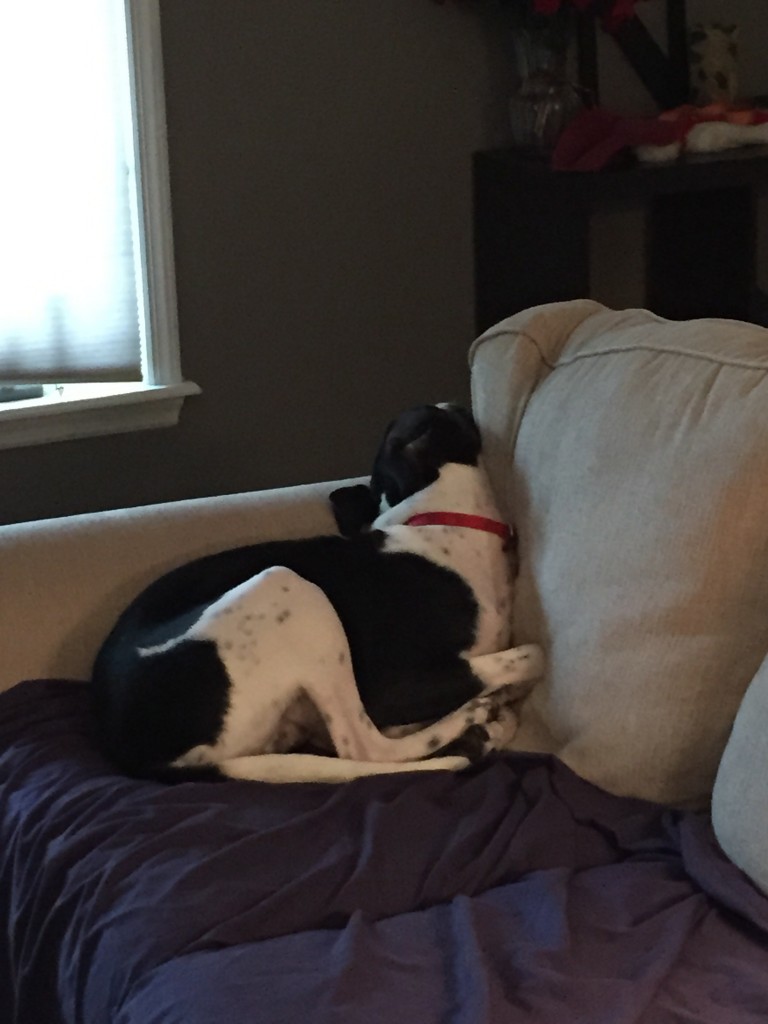
has the same response I do when Emily puts on the Bachelor

IMG_2556

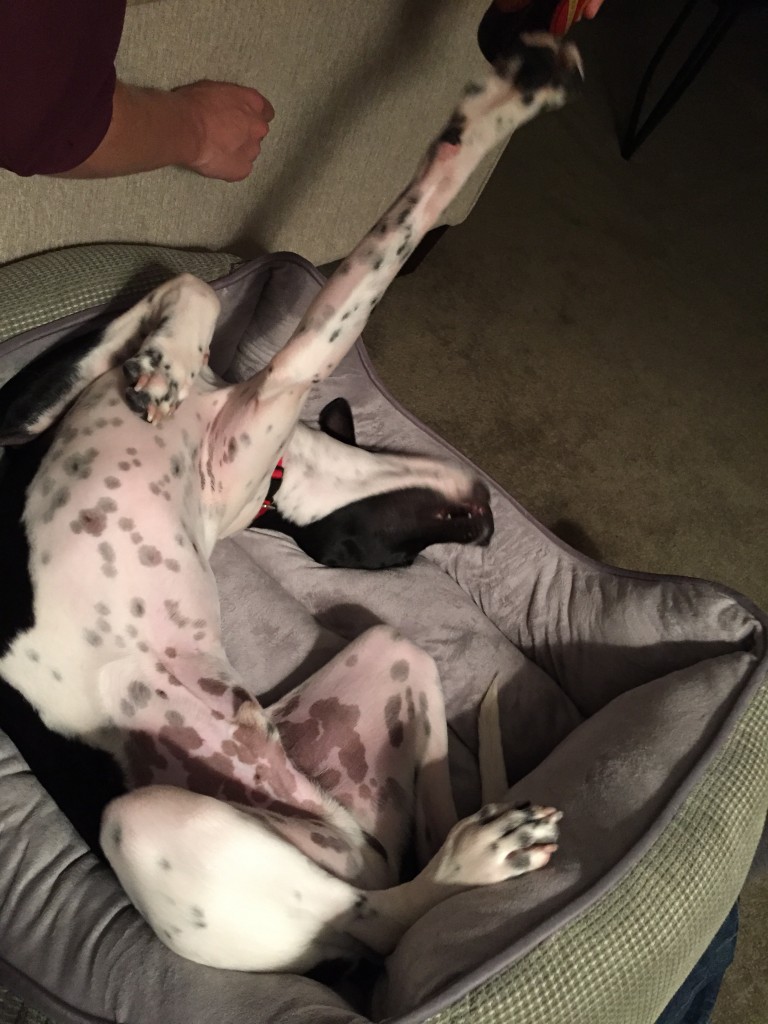
adopted Emily’s favorite sleeping position

Emily and I also attended 6 weddings of very close friends of ours, which added a lot of excitement to the year to say the least!

On a professional note, this has been an awesome year for us at Endeavor. Not only was this our largest off-season hockey group ever, but 2014 saw Johnny Gaudreau win the Hobey Baker (and then get off to an incredible start to his NHL career), Anthony DeAngelo get drafted in the first round of the NHL draft (and then compete in his first World Juniors, while leading all OHL defensemen in points), Dwyer Tschantz become the first Delaware-native to ever get drafted in the NHL, and a number of other individual accomplishments that I, along with the rest of our staff, am incredibly proud of.

And while the focus of this site tends to drift toward hockey-specific topics, we have also had a great group of soccer, softball, and baseball players train with us, which includes some of the most dedicated athletes we’ve ever trained.

IMG_2571

Christmas Eve training group

A quick aside about the group above. The two HS pitchers to my left are both committed to good D1 schools. One is training 6 days/week with us; the other 5. They came up to me about a week before Christmas and asked about our holiday hours, so I ran them through what the schedule looked like, notably that we’d be closed Christmas Eve and Christmas. Upon hearing this, the one player said, “So you’re closed Christmas eve?”. But he didn’t say it in a way that lead me to believe he was just clarifying. It was said more like “I heard you say you were closed Christmas eve, but I think what you meant to say was that you’ll open so we can come train that morning…right?” A sentiment that was reaffirmed by the fact that they both just stood there with their arms crossed staring at me, intently.

Emily had to work that day anyway and I have a hard time not supporting that level of dedication so I opened up. Upon hearing the news, several others hopped in as well. As a coach, it’s exciting to see extremely talented players are still pushing their development.

With all of that said, I wanted to recap the year by sharing the Top 10 posts of 2014. Enjoy, and if you find one you particularly like, please feel free to pass it along to your friends.

Top 10 Posts of 2014

10) PRI Cervical-Cranio-Mandibular Restoration Course Review

9) Assessing and Monitoring Performance Indicators

8) A New Way to Isolate Your Core

7) Slideboard Intervals for Increased Skating Power

6a) Analyzing the Skating Stride

6b) Analyzing the Skating Stride: Physical Barriers

5) Understanding Range of Motion: More is not Better

4) Ultimate Pull-Up Transformation

3) 10 Qualities of a Great Teammate

2) 5 Things Every Youth Athlete Should Know

and the most popular post of 2014 by a landslide victory..

1) Why Your Kid is Slow!

To your success,

Kevin Neeld
HockeyTransformation.com
OptimizingMovement.com
UltimateHockeyTraining.com

Please enter your first name and email below to sign up for my FREE Athletic Development and Hockey Training Newsletter!

Get Ultimate Hockey Transformation Now!

Year-round age-specific hockey training programs complete with a comprehensive instructional video database!

Ultimate Hockey Transformation Pro Package-small

Get access to your game-changing program now >> Ultimate Hockey Transformation

“Kevin Neeld is one of the top 5-6 strength and conditioning coaches in the ice hockey world.”
– Mike Boyle, Head S&C Coach, US Women’s Olympic Team

“…if you want to be the best, Kevin is the one you have to train with”
– Brijesh Patel, Head S&C Coach, Quinnipiac University

Last week I broke down the skating technique of a youth hockey player. If you missed that post, you can check it out here: Analyzing the Skating Stride

The main focus on that post was on identifying on-ice technique flaws, and following up with a few basic tips on how he could try to make improvements in his most lagging areas.

As I’ve written about in the past, the reality is that players adopt sub-optimal skating patterns for two reasons:

  1. They don’t know better
  2. It’s the closest to their interpretation of optimal that their body allows

The first point is the one most coaches are familiar with. This simply needs they need more practice and more coaching. A lot of the tips I wrote about in the last post (See: Analyzing the Skating Stride) and this one (3 Keys to Developing Optimal Skating Technique) will make a huge impact here, but it still takes time and A LOT of practice.

The latter point boils down to identifying what, if any, physical barriers the individual player has that may be limiting their ability to get into and maintain an optimal skating position.

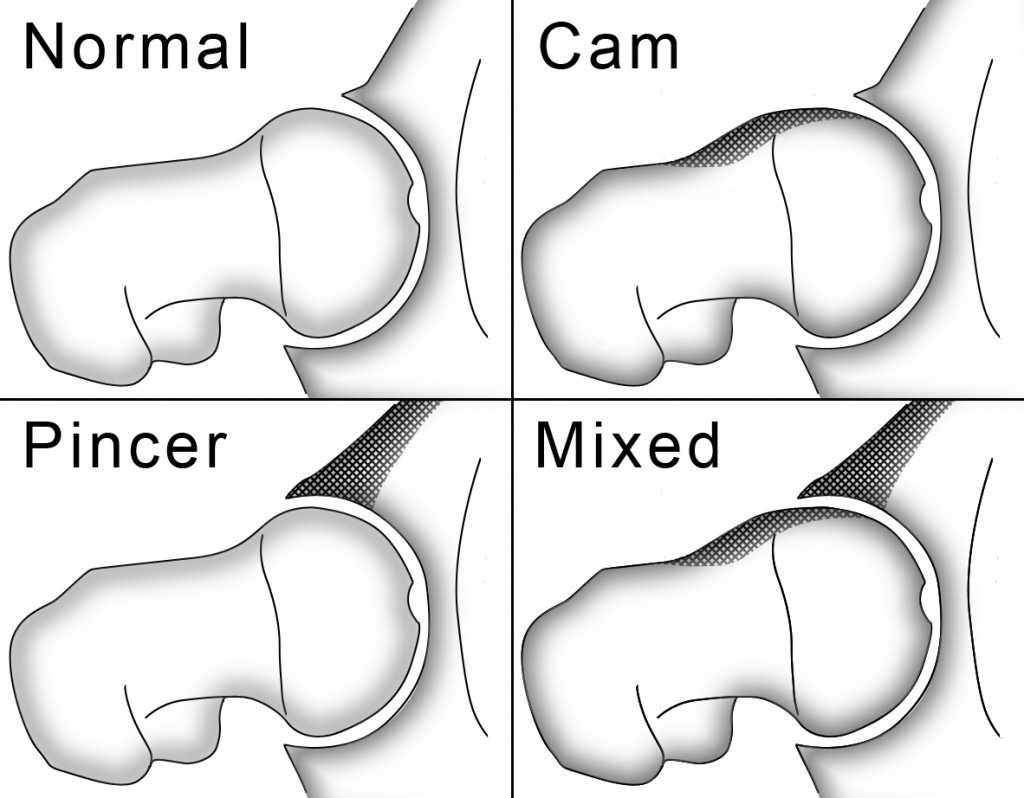
One of the things I’ve noticed from talking to so many parents at Endeavor is that the common assumption is that kids don’t have any joint restrictions that may prevent them from achieving desirable athletic positions. It’s true that most people tend to lose range of motion with age, but it’s dangerously misguided to think teenage kids are free of these limitations. In fact, a 2013 study from Marc Philippon‘s demonstrated that 37% of PeeWee (10-12 years old) hockey players already met the minimal diagnostic threshold for Femoroacetabular Impingement (FAI or “hip impingement”), a bony adaptation that will limit skating depth. In the midget age group, 93% had FAI, with bantams falling nicely in between (63%).

Femoroacetabular Impingement

Demonstrations of the different types of FAI

Having assessed hundreds of youth athletes over the years, I can attest that there are similarly startling limitations in ankle mobility in youth athletes of both genders across all sports. A lot of athletes also really struggle with thoracic (upper spine) rotation. Sometimes this is a mobility issue and sometimes it’s simply a stability or control issue, but either way, it means the athlete can’t consistently access it.

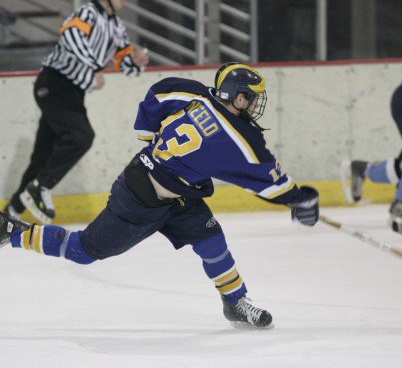
Slapshot

Rotation through the upper spine is crucial for skating and shooting. …Pretty sure this shot left a solid bruise on the center of goalie’s chest.

This is doing specific exercises to address these limitations is such an important part of the training process.

Tying in breathing into the Quadruped T-Spine Rotation exercise in the video above (See 6:30) can help unlock a lot of motion and control

I could teach a whole course on how off-ice limitations influence specific skating patterns and hockey performance in general, so it’s a difficult topic to address in a short article. That said, I’d refer you to these two posts to learn more.

  1. Limitations to Optimal Skating Performance
  2. Why Your Kid is Slow!

An old video from Endeavor…back when I was doing assessments on a shaky desk
Tying this back in to the previous post, these are all off-ice physical limitations (e.g. not skating technique issues) that could be causing his major stride faults:

  1. Deeper Skating Stance: May be limited by a lack of foot stability, ankle dorsiflexion range of motion, low position strength, hip flexion range of motion (FAI/hip impingement), excessive anterior pelvic tilt/poor core control
  2. Recovering Stride Leg Under Body: May be limited by lack of foot stability, ankle dorsiflexion range of motion, hip adduction range of motion or single-leg stance control on stance leg, hip adduction range of motion on stride/recovering leg
  3. Pushing “Out” not “Up” on Starts: May be limited by low position strength, hip flexion range of motion (FAI/hip impingement), excessive anterior pelvic tilt/poor core control, hip extension range of motion, hip adduction/abduction range of motion in side starting positions
  4. Diagonal Arm Swing: May be limited by core control, thoracic spine rotation, shoulder flexion/extension range of motion
  5. Pushing “Under” with Cross Under Leg: May be limited by hip adduction and internal rotation range of motion on cross-under leg, and hip flexion and external rotation on stance leg

A big take home from this discussion is that it’s important to have an assessment process to identify whether a player’s skating limitations are:

  1. Due to a lack of practice/proficiency
  2. Due to an insufficiency in a modifiable physical factor (e.g. low position strength or muscular endurance)
  3. Due to an insufficiency in a non-modifiable physical factor (e.g. hip impingement)

If you’re a training professional, keep your eyes open for an email from me later in the week as I have an awesome “Black Friday” sale coming up on my DVD Optimizing Movement.

If you’re a hockey player, parent, or coach, and interested in more information about optimal stride patterns and off-ice training strategies to maximize skating speed, check out Breakaway Hockey Speed.

To your success,

Kevin Neeld
HockeyTransformation.com
OptimizingMovement.com
UltimateHockeyTraining.com

Please enter your first name and email below to sign up for my FREE Athletic Development and Hockey Training Newsletter!

Get Ultimate Hockey Transformation Now!

Year-round age-specific hockey training programs complete with a comprehensive instructional video database!

Ultimate Hockey Transformation Pro Package-small

Get access to your game-changing program now >> Ultimate Hockey Transformation

“Kevin Neeld is one of the top 5-6 strength and conditioning coaches in the ice hockey world.”
– Mike Boyle, Head S&C Coach, US Women’s Olympic Team

“…if you want to be the best, Kevin is the one you have to train with”
– Brijesh Patel, Head S&C Coach, Quinnipiac University
Use CODE: "Neeld15" to save 15%