Isometric exercises are one of the more powerful and under-utilized training strategies available to athletes, especially in-season.

I recently wrote an article for Metabolic Elite discussing three isometric training methods, how they benefit performance, and how to appropriately perform them. Check it out at the link below:

Click here to read: Maximizing Adaptation while Minimizing Recovery with Isometric Exercises

To your success,

Kevin Neeld

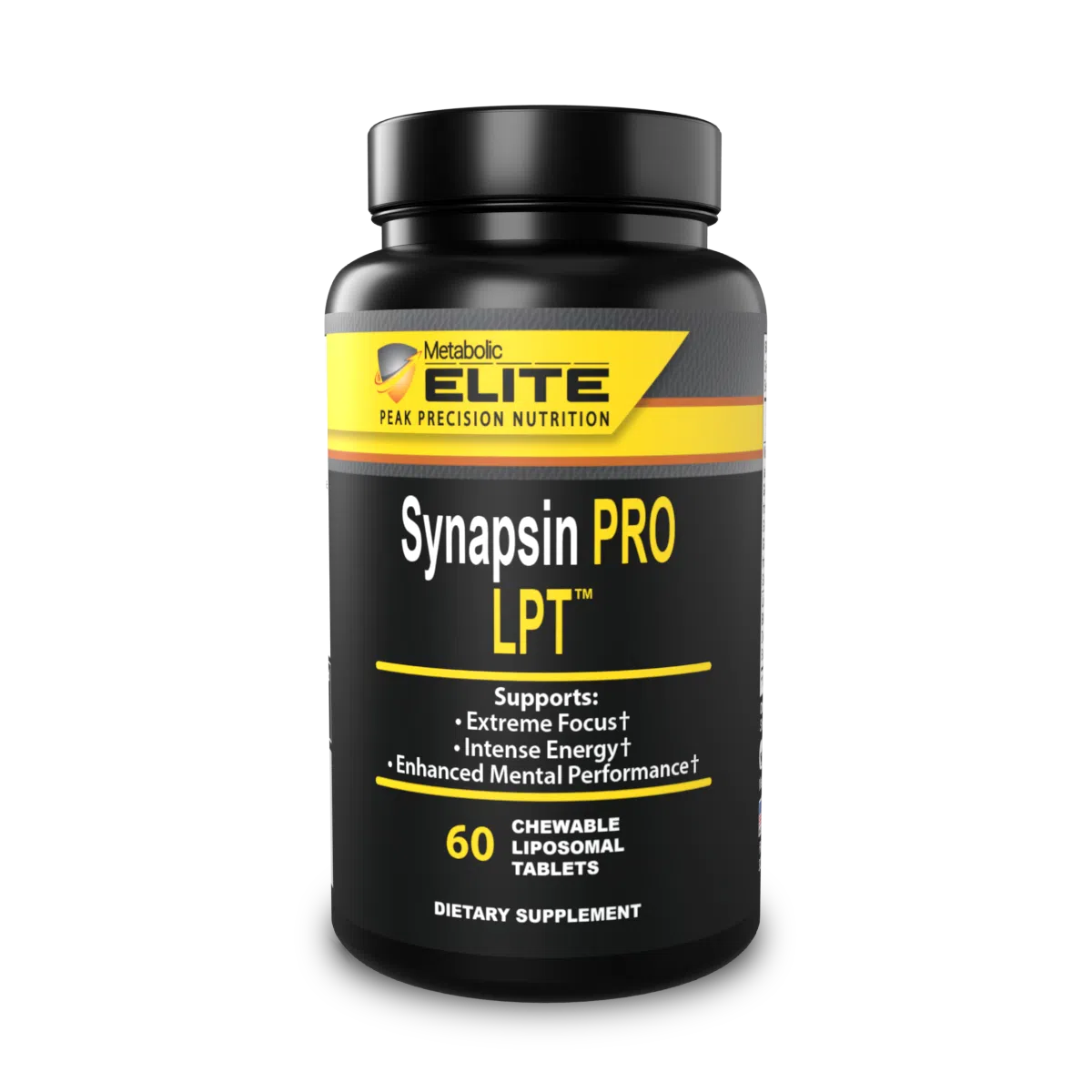
P.S. If you’re interested in maximizing your adaptation to training AND your game-day performance, I’d highly encourage you to check out the products from Metabolic Elite. You can save 15% by using the code ‘Neeld15’ at checkout.

One thing a lot of athletes struggle with is maintaining a stable pelvis while pushing laterally.

It’s common to see the torso bend back toward the pushing leg in exercises ranging from Lateral MiniBand Walks to Lateral Bounds and lateral cutting in transitional speed work.

While there’s a time and place for emphasizing this type of “bend”, more often than not it’s causing the athlete to lose time/speed by creating a lag between the push-off and the body moving laterally through space.

One simple way to start to address this is with the Lateral Wall Push exercise in this video.

The goal here is to keep the torso upright by maintaining wall contact with the hips and shoulders and to use the outside leg to “push the floor away” to generate maximum push-off force.

This set-up can be used in a couple different ways – either to: 1️⃣ emphasize push-off strength at different hip angles (more upright = less hip abduction) or to 2️⃣ focus on end-range strength, starting as deep as possible and shifting slightly deeper as range of motion opens up from rep to rep.

The feedback from the wall will help the athletes isolate motion at the hip while maintaining a level pelvis, which creates a foundation for them learning how to push laterally without folding over the back leg.

Typically performed for 4-8 reps of 5s holds.

Feel free to post any comments/questions below. If you found this helpful, please tag a friend in the comments below and share/re-post it so others can benefit.

To your success,

Kevin Neeld
SpeedTrainingforHockey.com
HockeyTransformation.com
OptimizingAdaptation.com

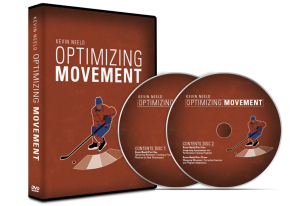
P.S. For more information on how to assess movement and integrate specific strategies to improve mobility and movement quality in training, check out Optimizing Movement. Don’t have a DVD player? Send me a note through the contact page after you checkout here Optimizing Movement and I’ll get you a digital copy of the videos!

Enter your first name and email below to sign up for my FREE Sports Performance and Hockey Training Newsletter!

Brijesh Patel, my friend and colleague from Quinnipiac University, spoke at the Boston Hockey Summit about training program design for ice hockey players. During his talk he went through several yoga-based isometric circuits that can be incorporated into off-ice training warm-ups. Everyone, including myself, that I’ve seen do these circuits has the same reaction: They feel loose AND strong. The circuits are well-designed to improve range of motion around the hips and thoracic spine (spine around your upper back…this is a good thing), and activate the hip abductors/external rotators and muscles around the posterior shoulder (muscles on the outside of the hip that don’t get the training attention they deserve).

I started using two of these circuits with all of my athletes. In both of these circuits, each position is held for 10 seconds.

3-Way Squat Circuit
1) Deep squat while pushing your knees out with your elbows to stretch out the muscles on the inside of your thigh
2) Maintain the deep squat, but move your hands behind your head, interlock your fingers, and pull your elbows back together. It’s important to keep your back flat (don’t let it round forward) and actively pull your knees outward using the muscles on the outside of your hip.
3) Maintain the deep squat while extending your arms straight overhead and continuing to pull your knees out.

3-Way Split Squat Circuit
1) Split squat position with arms extended straight overhead. Focus on squeezing your butt on the back leg and pulling down into the floor through the ball of your foot on the front leg.
2) Maintain the position while performing a triceps stretch on the arm on the side of your back leg and leaning toward the side of your front leg.
3) Maintain the position while twisting toward the front leg and reaching back with the arm on the side of your front leg and following this hand with your eyes.

As I type these descriptions, I’m realizing how simple these are when you see them, but how confusing it is to try to explain it. If you’re simple-minded like I am and have no idea what any of those descriptions mean, your best bet is to head over to myfittube.com and watch the videos that Brijesh put together for them. I’m confident you’ll be able to wrap your mind around them as soon as you see them.

When you get to myfittube.com, look for Brijesh Patel’s Deep Squat Series, and Warrior 1 Series.

Please enter your first name and email below to sign up for my FREE Athletic Development and Hockey Training Newsletter!

Use CODE: "Neeld15" to save 15%