We’ve been EXTREMELY fortunate at Endeavor to have David Lasnier join our team. He’s really been the man behind the mirror with a lot of the success we’ve had with our athletes recently. He’s not only a great coach, but a really smart guy and someone that I look to regularly for new ideas. He was kind enough to take some time to answer a few questions I had for him that I wanted to share with you.
KN: I really liked the post you recently put up on your site called The Mental Aspect of Training. Do you notice a difference in the mentality between higher-level hockey players compared to players that aren’t competing at the elite level?
DL: Yes, I think there is a pretty significant difference. This can be attributed to a lot of different reasons. First of all, I think every hockey player that trains wanst to get better, but as I mentioned in my post, not all of them are really willing to put in all the hard work and dedication it takes. Most of the time, when they have a short-term, concrete goal to reach it will make the athlete feel like they are putting all the hard work in for something. It might be for any young hockey player trying to make the cut for a higher-level team or it can be for a professional athlete trying to sign a big contract. These are just 2 examples that will make athletes bust their ass training because they know that if they don’t they won’t make it.
For some others (probably not the majority), it is just in their mentality to work hard all the time. I’m sure every coach out there can relate to a couple of their athletes being very dedicated workers that give all they have 100% of the time. Unfortunately, I’m also sure that every coach can testify that this is not the case for all of the players. These hard working types are found at any level and I personally think this discipline is coming from education and discipline at home, but this might be a whole other discussion. The thing with these players is that, most of the time, they’re not the most skilled ones at a young age. But when these kids keep working hard and do the right stuff to continue improving they usually catch up to the more skilled players sooner than later; and they are the ones who have a very good chance of making it to the professional level. Dedication, hard work, and discipline over the years will always pay off in the end.
KN: Great points. I know we’ve shared a couple conversations about footwear in athletes. Many hockey players aren’t concerned with their ankle/feet at all, rationalizing this standpoint with the fact that skates limit end range ankle movement. Should they be?
When you think about it, hockey skates limit the range of motion at the ankles pretty significantly. Also, hockey skate companies are making more rigid skates than ever before (just compare an old pair of skates from the 70s made almost completely out of leather to today’s skates made of rigid composite material). So considering that, hockey players will always have some sort of range of motion restriction at the ankles after spending so many hours on the ice every week. What happens when you lose range of motion at a joint like the ankle that is supposed to have good mobility? The body will try to get that range of motion somewhere else; and most of the time, the knee, which is the closest joint, will compensate for the that lost range of motion. That is where it can cause big problems because the knee is not meant for that; the knee is a joint that should be more stable, at least in side-to-side and rotational movements. But I won’t go into too much detail about that, since I think you already did a very good job at explaining that in your joint-by-joint approach to training post the other day (The Mobility-Stability Continuum). Another thing is that I think athletes in general, including hockey players, make very poor shoe choices when it comes to their training. Or I should say that they are simply not educated enough on what to look for when getting shoes to train in. As you know, we see so much people walking in through our door wearing Nike Shox or other high-heeled running shoe; they don’t understand that this is affecting their feet and ankles too, as much as skates do. Athletes should be more informed on that kind of thing, and they should know that Nike Frees, Vibram Five Fingers and other pliable, low-heeled shoes are the way to go for optimal ankle health.
KN: I completely agree. We’ve had pretty good success in convincing our male players to buy new shoes after we tell them how great they look in high heels. What common movement abnormalities/dysfunctions have you noticed with the hockey players you’ve trained? Do you notice differences between younger and older players (slash those with more playing years than those with less)?
Well, as we’ve just discussed, the ankle range of motion seems to be an issue for a majority of hockey players; they pretty much all have some kind of restriction around the ankle joint, some being worse than others. Hip range of motion seems to be another issue with a lot of hockey players. I don’t know that many hockey players with great hip mobility. This can lead to lower back pain over time or other types of hip injuries. On that note, this is something I’ve noticed a lot with older players. The number of hip injuries, especially sports hernias, players who compete at higher level suffer is ridiculous. And it is growing at an alarming rate. Even at the professional level, I think I’ve seen at least 5-6 players on the Flyers’ roster in the NHL being out with a hip or groin injury at some point during the season. This is almost 25% of the whole roster suffering from a hip injury during ONE season! There are probably a whole lot of different reasons to explain that, but I’m pretty sure that the insane amount of time players spend on the ice year round has something to do with it. If you’ve been playing hockey year round from a very young age, playing in summer leagues, showcases, festivals, camps, etc all the time and never taking time off the ice, there are very good chances that when you get to a higher level (College or Professional) your hips are gonna be pretty banged up.
KN: That’s a message that I’ve been trying to get players/parents to understand with little luck. Unfortunately it seems like players need to be hurt before they get the message.
I know you get a lot of questions from hockey players on supplements. What supplements do you think are worthwhile for hockey players to invest in? Does this change throughout the year?
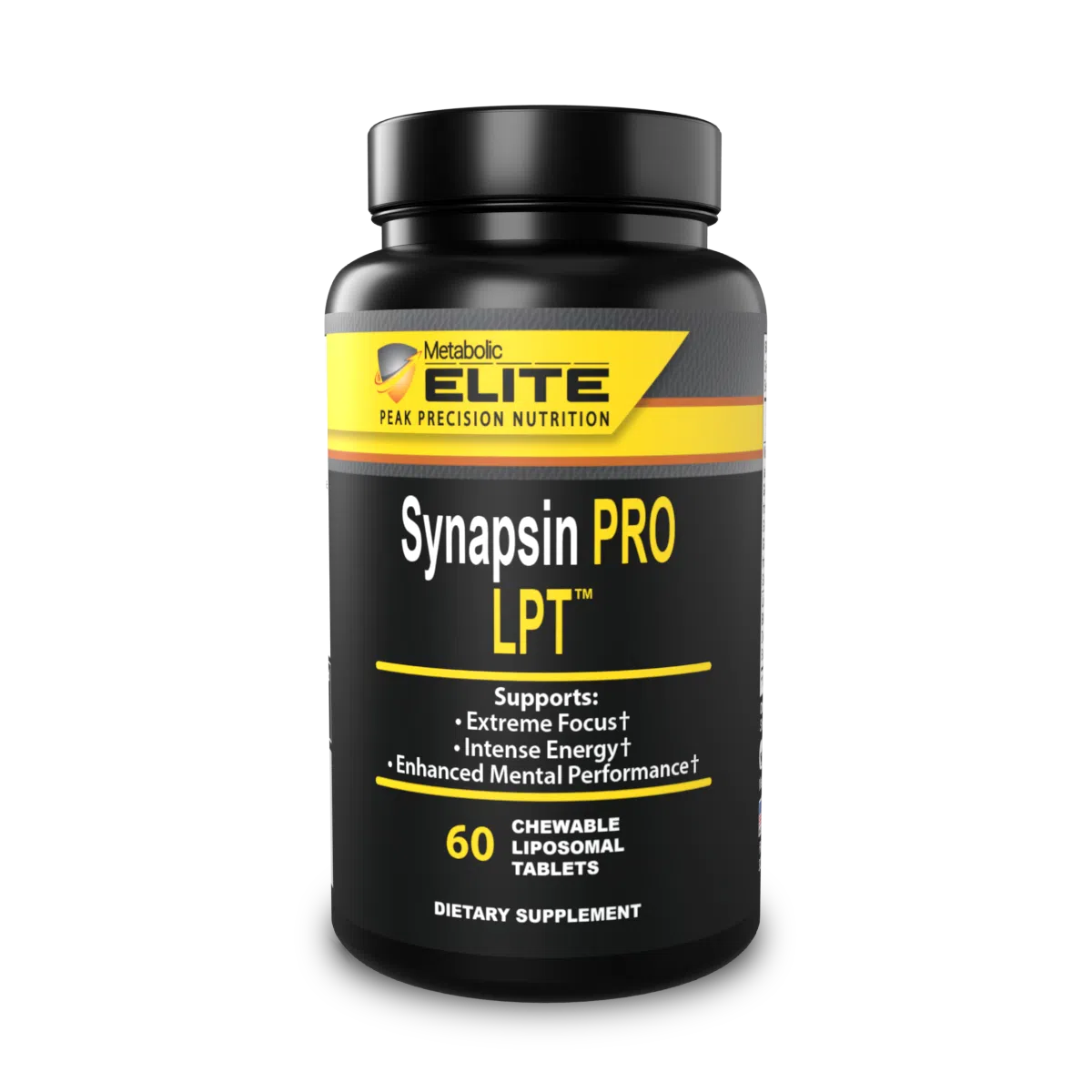
The first supplement I recommend to hockey players is always one that will take care of the recovery around the training window. A lot of athletes want to try all kinds of supplements to help them perform better. The thing is, if you want to perform better you first need to recover better, and that is why taking some kind of recovery drink is so important. A supplement that will combine fast digesting carbs (read: sugars) and protein is the way to go. You can use a supplement that will combine both (e.g. Biotest’s Surge Recovery) or use them separately (Whey protein + Gatorade). The goal is to get around 1:2 – 1:4 grams of protein to carbs ratio.
Another supplement that I feel is important is fish oil omega 3s. There is constantly new research coming out everyday supporting the benefits of supplementing with fish oil, since almost nobody eats fatty fish like salmon on a regular basis. Fish oil will improve your cardiovascular health, decrease your risk of many types of cancer, decrease overall inflammation in your body, help you decrease body fat, and help you gain muscle. The list goes on and on. Let’s just put it this way: fish oil will make you more awesome.
I would say these 2 are definitely the most important ones for hockey players to improve performance, recovery and general health. I would also add to that 2 others that might extremely beneficial. The first one is some kind of greens supplement for those who don’t eat enough fruits and vegetables. The reason I mention this one is that even if I encourage every athlete out there to eat as many fruits and vegetable as possible, the truth is that I know that most of them don’t eat enough. This is where a greens supplement can help. And the last one, and certainly not least, would be one I’d recommend especially during the fall and winter months: vitamin D. Vitamin D is synthesized by our skin from sun-light and that is how we get the most of our daily requirements in vitamin D. The problem is if you’re not living in Florida, you probably don’t get enough sun light during the winter days. And recent research support the supplementation of vitamin D, as deficiencies in D could be associated with increased risk of different types of cancer, chronic fatigue, depression, hypertension and diabetes. So from a health perspective for athletes, it makes sense to supplement with vitamin D.
KN: Since you’ve been with us through the Endeavor Fitness to Endeavor Sports Performance transformation and worked in personal training settings before, I have to ask: Personal Training vs. Strength and Conditioning. What are the major differences in your mind and which do you prefer?
I have to say that I choose Strength and Conditioning hands down. I have worked as a personal trainer in a commercial gym for 3 years and I can’t say that I hated it as I gained a lot of experience, met a lot of interesting people and made some great friends along the way. I don’t want to bash personal trainers as I feel there are many good ones out there. Unfortunately, it’s not the majority. But at the gym I was working at, I was fortunate enough to be surrounded by many good ones that are really smart and constantly wanted to learn and get better at what they’re doing. The main differences between the two are the clientele you work with and the atmosphere. The clientele is very different simply because of the general athleticism and the great body control and awareness that athletes from all ages have versus untrained adults that have little to no athletic background and are, in general, not very coordinated. It makes it so much easier to teach a reverse lunge to someone that has body control and awareness. So you can spend less time explaining, get more things done, progress faster and use more advanced training protocols.
The other thing is the atmosphere, and it is probably the single most important reason that causes me to love strength and conditioning A LOT more. You get to work in an environment where you don’t hear crappy music all day long on commercial radio stations in a gym filled with useless machines and no room to move, and where female clients are not afraid to use dumbbells heavier than 10 pounds because they’re afraid they’re gonna get jacked within a week….Oh and I almost forgot, a place where you don’t have 99% of the members performing silly bodypart splits and aerobic training. But there are also similarities in working with general members and athletes; both populations are human beings with different personalities. And even if athletes are generally more motivated, you always deal with highly motivated people and some lazy ass people too, whether you’re a strength coach or a personal trainer. Both clientele need goals to reach; both need to know exactly what they’re training for if they want to succeed. If they don’t (or if they don’t see the progress) in the long run, they will lose their focus and their motivation.
KN: David, thanks for taking time out of your busy schedule to share this with us.
If you haven’t yet, I highly recommend you check out David Lasnier’s blog!
Please enter your first name and email below to sign up for my FREE Athletic Development and Hockey Training Newsletter!







 Use CODE: "Neeld15" to save 15%