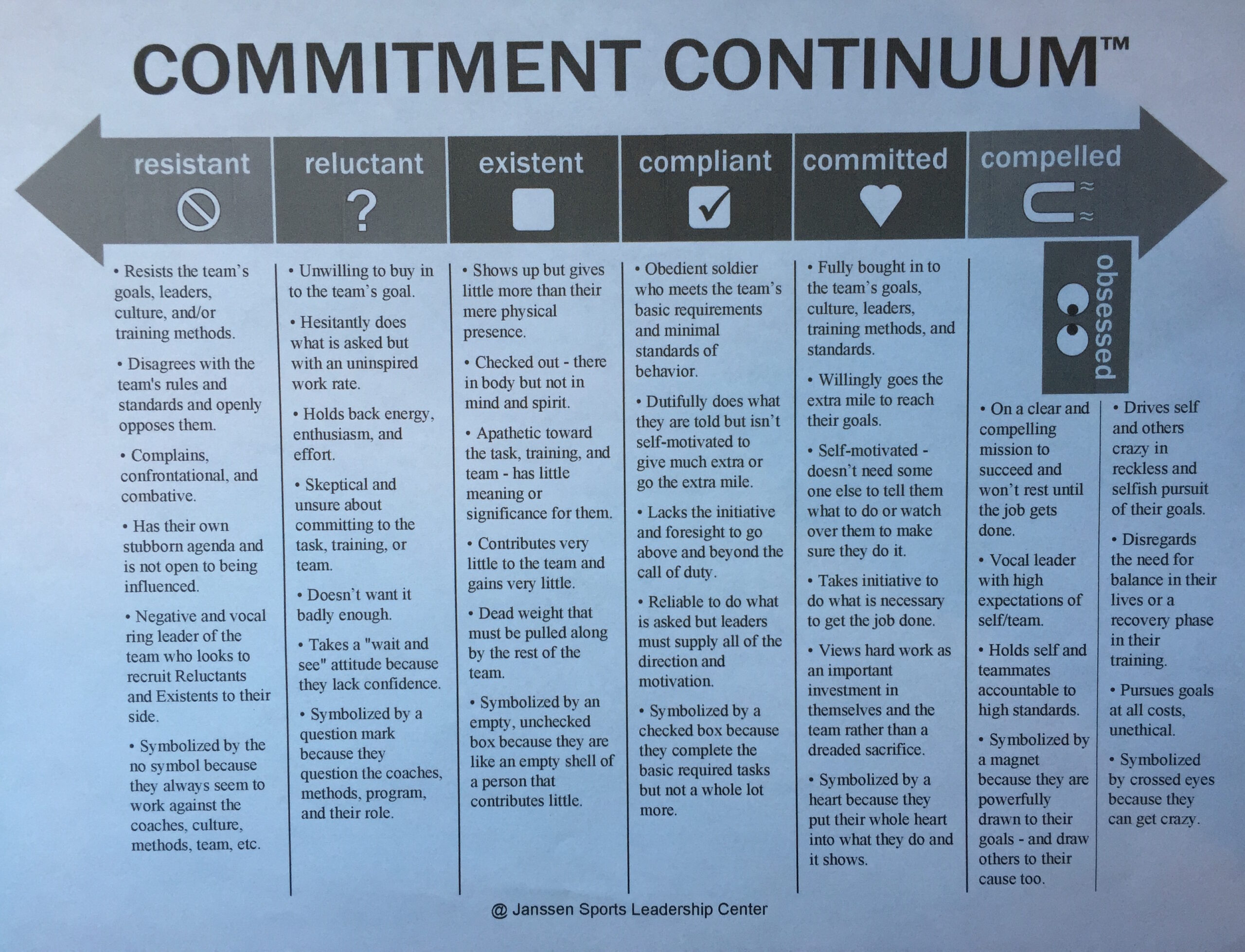
Stumbled upon this picture the other day of the “Commitment Continuum.” This was something Dr. Colleen Hacker shared with USA Hockey’s Women’s National Team, and serves as a powerful tool for all team sport athletes to self-evaluate their own commitment.

The off-season is a time when players in all sports can completely re-invent themselves through training. Taking a few months to dial back the volume of sport work and increase the attention on improving raw physical capacities (speed, power, strength, conditioning, movement efficiency, etc.) can change the course of an athlete’s career.

There is a small segment of athletes that will OBSESS over training. Some will COMMIT fully. Many more will just show up and do the work; they’ll comply. The rest, frankly, will get left behind.

Where do you fall on this continuum?

Being fully committed means different things at different ages, but if you’re >13 years old and have aspirations of fulfilling your athletic potential, you should be following a structured training program, at least 2-3 days/week in the off-season; 4-5 days/week if you’re competing at U-18 levels or above.

If you’re a hockey player and need help with programming, check out the link below.

Feel free to post any comments/questions below. If you found this helpful, please share/re-post it or tag a friend in the comments section so others can benefit.

To your success,

Kevin Neeld
SpeedTrainingforHockey.com
HockeyTransformation.com
OptimizingAdaptation.com

P.S. If you’re OBSESSED with making this your best off-season ever, check out the comprehensive hockey-specific training programs for players at different ages here: Ultimate Hockey Transformation.

Enter your first name and email below to sign up for my FREE Sports Performance and Hockey Training Newsletter!

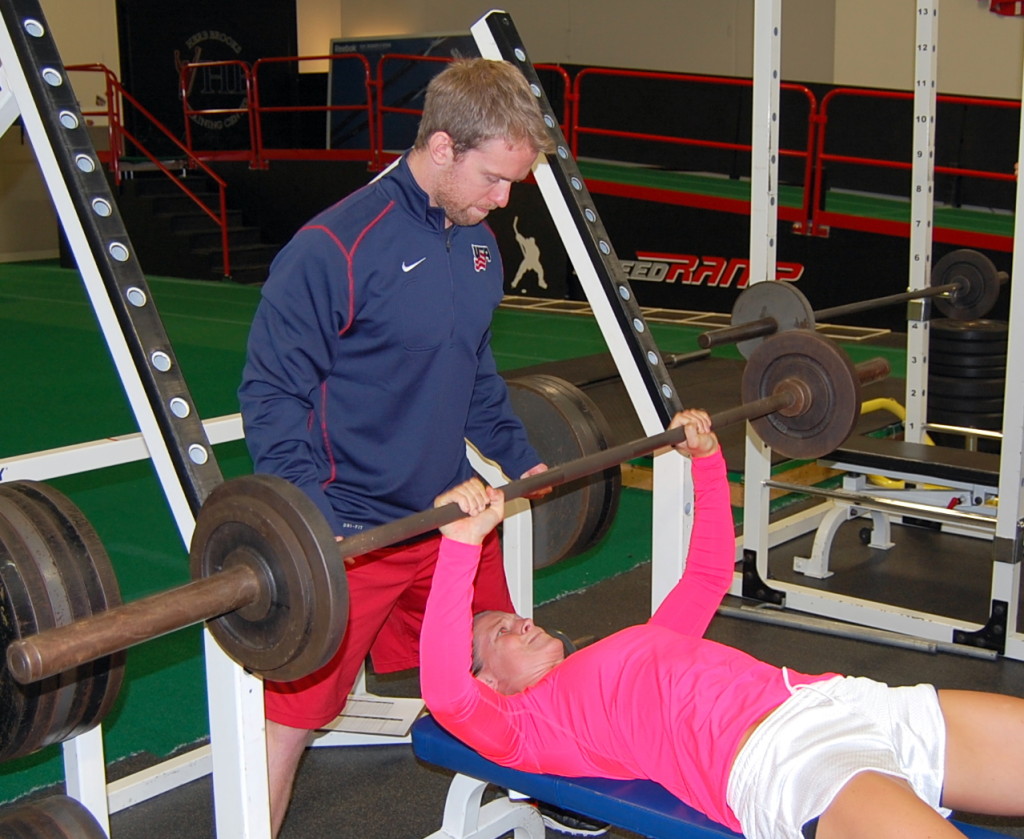
The picture below is a throwback to (2012?) USA Hockey Women’s National Team Camp in Blaine, MN.

Great memories working with this group alongside @michael_boyle1959, @anthonydonskov, and @smcstrength.

Yesterday I shared a quote from the @hph_podcast discussing how testing can be used to both drive and assess a groups commitment and culture. You can check it out here >> Testing & Culture

The above picture is an excerpt from my book Speed Training for Hockey, and shows the progress one of the Women’s National Team players made through an Olympic cycle. Most notably – the player added 8″ to her vertical jump and substantially decreased her on-ice acceleration/sprint time.

Incremental gains made consistently over time leads to substantial, career-changing progress.

One of the key features of a winning culture is that the players are continuously pushing for the next level. When enough players adopt this mentality, it becomes the dominant voice in the room – the expectation for the group.

Performance testing certainly isn’t the only barometer for this type of commitment, but it is a simple, effective way of establishing standards, reinforcing expectations, and providing an opportunity for players to own an area of their performance that is COMPLETELY within their control.

Feel free to post any comments/questions below. If you found this helpful, please share/re-post it so others can benefit.

To your success,

Kevin Neeld
SpeedTrainingforHockey.com
HockeyTransformation.com
OptimizingAdaptation.com

P.S. For comprehensive hockey training programs to improve your speed AND repeat sprint ability, check out: Speed Training for Hockey

Enter your first name and email below to sign up for my FREE Sports Performance and Hockey Training Newsletter!

Throughout my career, I’ve had an opportunity to observe and work alongside a lot of great coaches. One of the many reasons I feel so fortunate to have an opportunity to work with USA Hockey’s Women’s National Team is that it was through this work that I was introduced to Sarah Cahill. As with athletes, every coach has his or her own special areas of expertise. Over the 4 years we’ve worked together, Sarah has become both a great friend, and a constant source of inspiration and education.
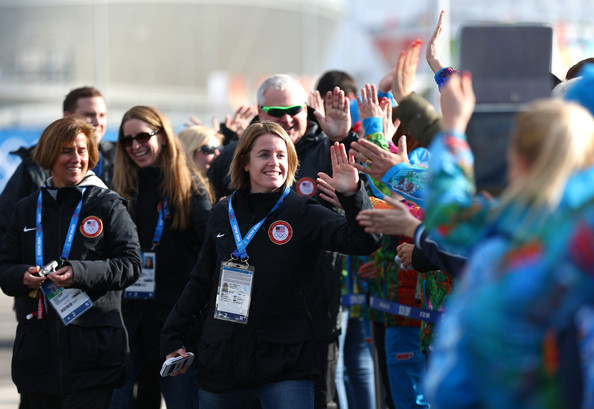
Sarah Cahill-USA Hockey Olympics

Sarah at the 2014 Winter Olympics in Sochi.

Sarah could very well be the world’s leading expert in the “art of coaching” and more specifically, coach-athlete relationship building. She has the unique ability to bring out the best in other people, and more importantly, to inspire athletes to want to bring out the best in themselves.

Through a few months of persistent insistence, I was able to convince Sarah to share some of her expertise with us. Enjoy!

3 Proven Strategies to Get Athlete Buy-In

Have you ever coached a group of athletes or clients and left the session feeling like something was off?

How about meeting with a coach or parent and feeling like you were talking in two completely different directions and were never able to find common ground?

Creating buy in, regardless of whether it’s with an athlete, client, parent, or coach is one of the toughest parts of our job as strength and conditioning coaches. But it can also be one of the most rewarding and effective ways to unlock the potential of others, and to discover people’s inner motivations.

Here are 3 proven strategies to create buy in with those that you work with and get more out of every session.

1) Search for opportunities for 1:1 interactions

Problem: When working with a large group of athletes it can be difficult to provide each athlete with individualized attention without:

  1. Avoiding other athletes
  2. Creating blind spots and
  3. Making others feel as though you are showing favoritism.

Solution: During the warm-up or before the workout begins is an excellent opportunity to seek out brief 1:1 interactions.

When the group arrives try to triage the room and seek out those that appear disinterested, those that are new to the team, or approach returners whom you already have great relationships with.

Kneel down with those athletes and try to strike up a conversation by starting with an open-ended question.

Make a point of having different interactions with different athletes everyday. 

At the end of the workout, head back into your office and pick up a note book to jot down any information you want to remember about your daily conversations with those athletes: their sister just left for ___ college, they just got a new puppy named ____, their family member passed away and the funeral is on _____ date etc.

These notes may provide you with an opportunity to get to know your athletes and revisit certain conversations weeks later.

Personally, this approach and these conversations have led to some of the greatest insights about my athletes, helped strengthen my relationships with them, and thus led to much more “buy in.”

2) Create Consistent Messaging

Problem: Often times we are coaching our athletes in conjunction with other strength coaches, interns, or sport coaches, which may lead to confusion.

There is no faster way to lose credibility in the eyes of your athletes than to provide them with a different message than other coaches you are working with. We’ve all found ourselves in the scenario of having just coached an athlete and having that athlete turn to us and say that’s not what Coach “X” told me.
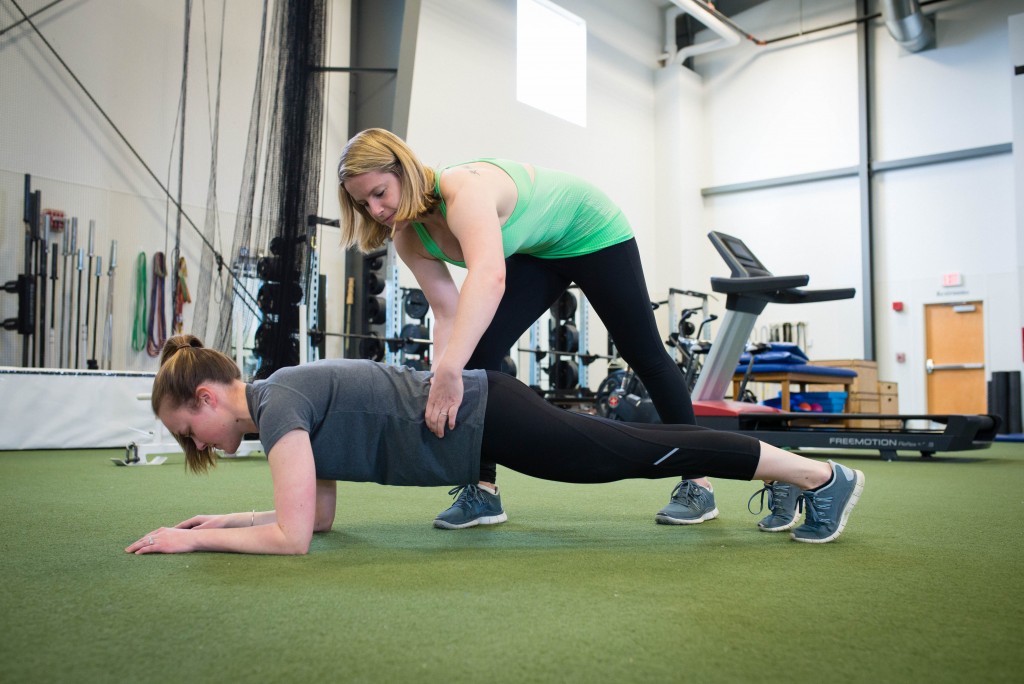
View More: http://brittanyhydephotography.pass.us/sc-strength

Solution: One of the best ways to create buy-in with athletes is to get on the same page as the other professionals you are working with so that your messages are consistent.

This may mean attending extra meetings with the sport coaches, attending more sport practices to learn sport-specific language and messaging, or being more aware of others in the weight room.

For example, try assigning different roles to your interns or assistant coaches, where one coach can be assigned to provide positive messaging to your athletes, another coach can be assigned to survey the athletes and document exactly what weight they are using and how difficult the exercise was, etc.

Finally you could assign one intern/coach to focus in on the specifics of one exercise that day and getting really specific with your coaching cues.

Assigning specific roles allows you to give your coaches very specific directions on how you want them to communicate to the athletes, minimizing the risk of them saying something inconsistent with your message.

Consistent messaging will strengthen your credibility as a staff with those that you work with, minimize athlete frustration, and ultimately lead to much more effective sessions.

3) Try the 1-6-5 Approach

Problem: You do not have 24/7 of your athletes’ time in the week. The final strategy for effective athlete “buy-in” is something I recently heard in an interview with Dr. Roy Sugarman, author of Motivation For Coaches and Personal Trainers and Director of Sports Psychology for EXOS, during a great episode of the “Coach your Best” podcast by Jeremy Boone.

In the podcast, Dr. Sugarman introduced what he calls the 1-6-5 Approach to mental performance. This approach is something I try to emulate as I believe it is an incredibly important ingredient for athlete buy-in. The basic premise of this approach is that there are 168 hours in a week, and most coaches get to work with their athletes three days a week for 1 hour. This means you have a presence in their lives for 3 hours a week, and for the remaining 165 hours they are on their own.

The question is what are those athletes and clients doing during those 165 hours? Often times as coaches we are asking for our athletes to make small changes, but for most people change is incredibly difficult. It is during those 165 hours that our clients and athletes may be making choices that directly contradict our recommendations.

Solution: Therefore, to create the greatest amount of buy-in with our athletes we must find ways to have a presence with our athletes during the 165 hours.  For example, in my work with the USA Women’s Olympic Ice Hockey Team, we send our athletes daily surveys to fill out every morning. These surveys have been incredibly informative and are another effective tool to continue to have a strong presence during the 165 hours.

Another effective tool in maintaining a daily presence is to send a “random” (but calculated) athlete a text or e-mail just to check in. The true magic and when the greatest amount of buy-in takes place when we find ways to inspire our athletes to want to make changes for themselves.

Wrap Up

If we always remember to work towards the 165 hours by creating authentic relationships with our athletes through 1:1 interactions, consistent messaging, tasking them with things to think about when they’re not with us, and by personally checking in during the week, we are maintaining a strong presence in their lives and showing each athlete that we are by their side at all times.

As a result, when your athletes are faced with those difficult decisions about going out drinking with friends, or staying home to get a good night of rest, they will be better prepared to make the right decision.

Hopefully these strategies are helpful or reinforce what is you already know. Coach on and continue to change lives!

-Sarah Cahill

Sarah Cahill is the Site Director of InnerCity Weightlifting (ICW, Kendall Square) and a Strength and Conditioning Coach for USA Hockey’s Women’s National Team. Prior to joining ICW, Sarah spent time as a Strength and Conditioning Coach at Northeastern University, as the Head Performance Specialist at the Core Performance Center, and as a Strength and Conditioning Coach at University of Oklahoma.

To your success,

Kevin Neeld
HockeyTransformation.com
OptimizingMovement.com
UltimateHockeyTraining.com

Please enter your first name and email below to sign up for my FREE Athletic Development and Hockey Training Newsletter!

Get Optimizing Movement Now!

“…one of the best DVDs I’ve ever watched”
“A must for anyone interested in coaching and performance!”

Optimizing Movement DVD Package

Click here for more information >> Optimizing Movement

Short and sweet today. I just wanted to share a list of “Sports Performance” articles I think you’ll enjoy. Check them out at the links below!

As a friendly reminder, Lee Taft’s new Certified Speed and Agility Coach program is only open for 12 days before they close enrollment. It’s also on sale for $100 off, so if you’re interested in learning from one of the top speed development experts in the industry and saving some loot, check out his program today: Certified Speed and Agility Coach

Certified Speed and Agility Coach Logo

From Endeavor

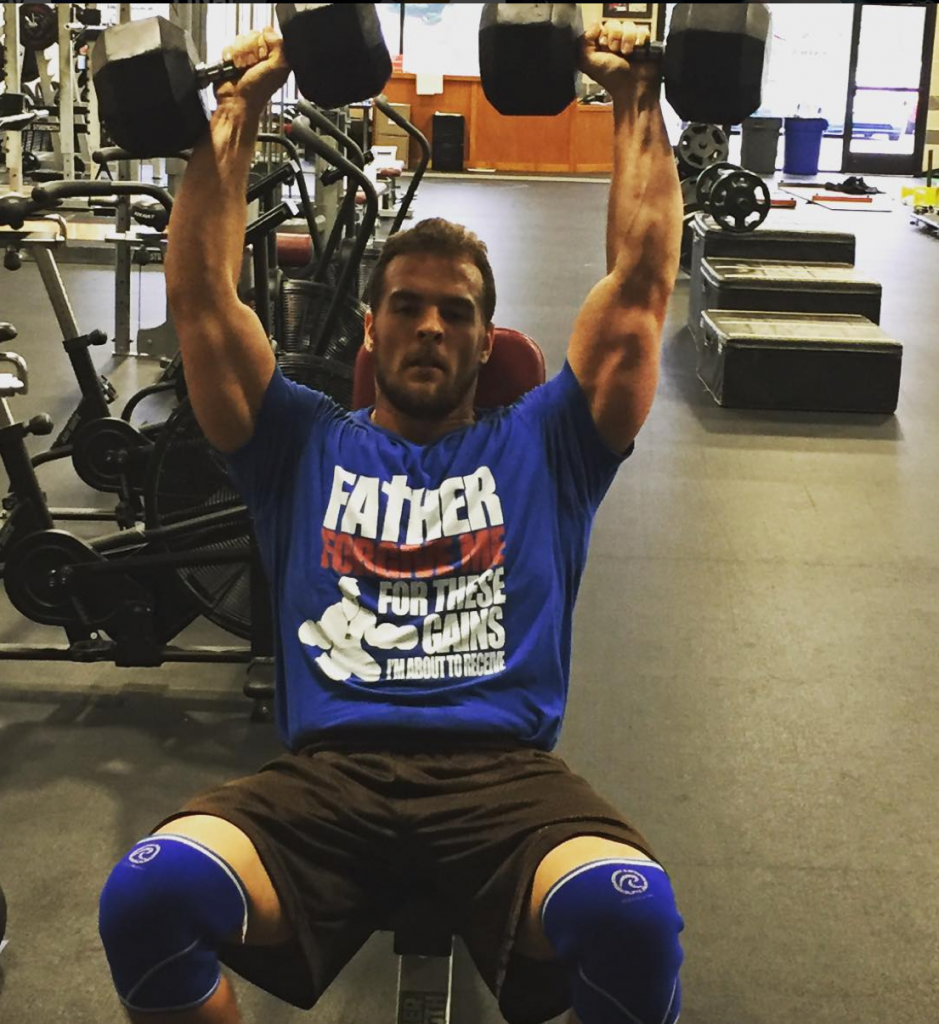
Matt Sees-Forgive Me For These Gains

Matt Sees, Performance Specialist at Endeavor Sports Performance and all around snazzy dresser, wrote a 3-part article series on off-season football training. If you’re like most people reading this, and are here primarily for hockey training information, I would STILL encourage you to read these. What Matt is describing is really just a systematic approach to designing a quality training program. He did a great job with this series and it’ll spark a lot of thought about the programs you’re using/writing for whatever sport you’re interested in.

  1. Off-Season Training for Football
  2. Off-Season Training for Football: Position-Specific Training
  3. Off-Season Training for Football: Individualizing Your Program

Sarah Sulsenti is the newest member to the Endeavor Team, and along with her many other responsibilities, will be running our new E-Fit Bootcamps. She has been an AWESOME addition to our team. She recently shared her “Why”, discussing how she became interested in the fitness industry and what keeps her motivated.  I really enjoy reading these stories because they share the background story that leads to an unwavering passion for wanting to help people. Check out Sarah’s story here: Sarah Sulsenti’s Why

If you’re interested, I shared my personal story a few weeks ago: Kevin’s Why

From Mike Robertson

This is a great post from Mike that everyone working in the fitness industry should read. If you’re an intern or young coach, the recommendations in this article should lay the foundation for your coaching style; if you’re an experienced coach, this should be a great reminder. Check it out here: Do’s and Don’ts of Coaching

From Maria Mountain

Maria is basically the only coach writing about “hockey-specific” training information that I read regularly. She’s not only very bright, but she actually coaches, so the “good in theory, bad in practice” ideas don’t make it on to her site. She has a particular interest in training goalies, a largely under-served and over-looked population. This is a very quick read on goalie-specific exercises, but has a few important messages: The Truth About Goalie-Specific Exercises

From USA Hockey

USA vs. Canada

Emotions were riding high on Friday afternoon in anticipation of the U-18 Women’s World Championship

Our U-18 girls won the U-18 Women’s World Championships with a 3-2 overtime win over Canada on Friday. The team went 5-0, and outscored their opponents 23-3 during the tournament. I’m very proud of this group. Check out the recap of the Gold Medal Game vs. Canada here: U.S. Wins Gold with 3-2 Win vs. Canada

From Hockey Strength Podcast

Brian Sipotz has been doing a great job with the Hockey Strength Podcast. Last week I knocked out ~10 episodes while I was getting some office work done. If you train hockey players, this is a great free resource where you can hear from many of the top coaches across college, professional, and private settings. Check it out here: Hockey Strength Podcast


To your success,

Kevin Neeld
HockeyTransformation.com
OptimizingMovement.com
UltimateHockeyTraining.com

Please enter your first name and email below to sign up for my FREE Athletic Development and Hockey Training Newsletter!

Get Ultimate Hockey Transformation Now!

Year-round age-specific hockey training programs complete with a comprehensive instructional video database!

Ultimate Hockey Transformation Pro Package-small

Get access to your game-changing program now >> Ultimate Hockey Transformation

“Kevin Neeld is one of the top 5-6 strength and conditioning coaches in the ice hockey world.”
– Mike Boyle, Head S&C Coach, US Women’s Olympic Team

“…if you want to be the best, Kevin is the one you have to train with”
– Brijesh Patel, Head S&C Coach, Quinnipiac University

Today’s post from Andreas Wochtl touches on an incredibly important topic that I think may be the single biggest problem with youth sports in general, but especially ice hockey.

Last week I came across an infographic from USA Hockey (Andreas links to the article below) displaying the number of games in a typical peewee, junior, college, and professional season. As you’re probably aware, the NHL, which is largely reliant on ticket sales for revenue, plays an 82 game regular season. A lot of junior seasons are set up similarly for the same reason. The college season, on the other hand, plays about half as many games (typically around 2/week for around 40), but places a much larger emphasis on practice and training. In other words, the focus is on development.

The question, which should be one every youth parent is asking, is why does the typically PeeWee (and Bantam, Midget, etc) season more closely resemble an NHL season than a college one?

Players skate more, handle a puck more, and have infinitely more opportunities to develop skills in practice than in a game, yet kids play 65+ game schedules. The travel associated with these ridiculous schedules also often leads to cancelled on- or off-ice practices. This system sacrifices preparation for competition and ultimately impedes the development of our youth players.

Hopefully the coaches and parents reading this follow Andreas’ call to action! Enjoy the post below.

Is your player getting enough practice?

USA Hockey’s ADM is a great model as I’ve stated in numerous previous posts.  Having grown up in Sweden this concept fits in so well with my own experience and coaching style.  It focuses on progressive skill development at an age-appropriate level.  One aspect of the model that speaks to me is the 3:1 practice-to-game ratio.  Unfortunately there are not many teams (if any) that truly accept, believe, and follow the model.

USA Hockey American Development Model

Some teams claim to accomplish this requirement by taking all the practice offered throughout the calendar year – tryouts, summer ice, summer camps, etc.  The problem here is that a sporadic practice in the summer – in my humble opinion –  is a little bit of a waste of time.  Development takes time and dedication – skating once a week in July is not development.  Although summer practice may be fun, it’s maintenance at best.  

The opposite end of the spectrum of this issue is that teams play around 60 games – some even more (see USAH article citing Team Comcast Peewees).  I’ve worked with players on this team and I know they did not practice 228 times last year (228/3=76 games).  To be fair, this happens at every skill level.  A look at last seasons game stats show Jr Flyers Squirt Minor played 71 games….Delco Phantoms Peewee AA 53 games… Even teams that claim they only play 35-40 games likely play well over that after taking into account the three-four tournaments they played in.

As we are nearing the halfway mark of our seasons, tally up the games and practices.  Ask your coach if the team is on the right track.  At any age or level practices are important, and they should be fun!  It’s on you as a coach to take a stand and work with your organization to fix this problem.  Ask your organization for more practice time, shared ice time, less game slots, and no tournaments.  Stack the deck in your favor.  I’ve never seen a parent want to spend $100 to get 10 extra practices but I know that spending that amount on 4 games in a tournament is never an issue.  Yes, we – the American hockey community – are improving and change takes time but we are still way behind and this is another way we can address it.

Happy holidays!

To your success,

Kevin Neeld
HockeyTransformation.com
OptimizingMovement.com
UltimateHockeyTraining.com

Please enter your first name and email below to sign up for my FREE Athletic Development and Hockey Training Newsletter!

Get Ultimate Hockey Transformation Now!

Year-round age-specific hockey training programs complete with a comprehensive instructional video database!

Ultimate Hockey Transformation Pro Package-small

Get access to your game-changing program now >> Ultimate Hockey Transformation

“Kevin Neeld is one of the top 5-6 strength and conditioning coaches in the ice hockey world.”
– Mike Boyle, Head S&C Coach, US Women’s Olympic Team

“…if you want to be the best, Kevin is the one you have to train with”
– Brijesh Patel, Head S&C Coach, Quinnipiac University

Use CODE: "Neeld15" to save 15%